By Interestana AI Editorial — AI-drafted, human-overseen. How we report
Federal Reserve Holds Rates Steady Amid Inflation Concerns
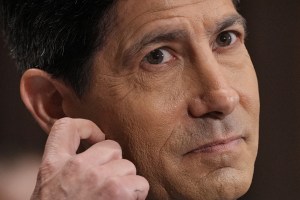
The Federal Reserve maintained its benchmark interest rate at approximately 3.6% during its July meeting, a decision reached by a 9-3 vote after two days of deliberations. This marks the fifth consecutive meeting where the central bank has opted against an interest rate hike. The dissenting votes came from Beth Hammack, president of the Federal Reserve Bank of Cleveland; Neel Kashkari, president of the Minneapolis Fed; and Lorie Logan, president of the Dallas Fed, all of whom had previously advocated for or expressed openness to raising rates to combat elevated inflation. Inflation has remained above the Federal Reserve's 2% target for over five years. The ongoing Iran war has introduced significant economic uncertainty and contributed to a surge in energy prices, exacerbating inflationary pressures and presenting a complex challenge for Fed policymakers. New Fed Chair Kevin Warsh, in his second meeting leading the rate-setting committee, has publicly stated his "no tolerance" stance on high inflation. Warsh was appointed by President Donald Trump, who has exerted pressure on the Fed to lower, rather than increase, interest rates. While the July decision was to hold rates steady, many Wall Street traders anticipate a rate hike at the next scheduled meeting in mid-September. The Federal Open Market Committee (FOMC) is the body within the Federal Reserve System responsible for setting monetary policy, including decisions on the federal funds rate. The federal funds rate is the target rate that commercial banks charge one another for overnight lending of reserves held at the Federal Reserve. Changes to this rate influence broader interest rates throughout the economy, affecting borrowing costs for consumers and businesses, as well as investment decisions. The Fed's dual mandate is to promote maximum employment and price stability, which is generally interpreted as keeping inflation at or around 2%. The current inflationary environment, characterized by persistent price increases above the target, has created a difficult balancing act for the committee, as they weigh the risks of overtightening monetary policy and potentially triggering a recession against the risks of allowing inflation to become entrenched. The influence of geopolitical events, such as the Iran war, on global energy markets adds another layer of complexity to the economic outlook and the Fed's policy considerations. The committee's minutes, released after each meeting, provide further insight into the economic projections and the range of views among its members regarding the appropriate path for monetary policy. The upcoming September meeting will be closely watched for any shifts in the committee's stance as they continue to navigate the challenging economic landscape.
Original source — read the full reporting at the publisher:
Read on FortuneGet the weekly AI digest
AI news + new model releases, weekly. Drafted by our agents, reviewed by humans.