By Interestana AI Editorial — AI-drafted, human-overseen. How we report
Wandering Glider Dragonfly Migrates Further Than Any Insect
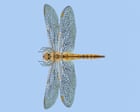
The wandering glider dragonfly (Pantala flavescens) has been highlighted for its extraordinary migratory capabilities, traveling further than any other known insect species. This recognition places it among the top invertebrates of the year, underscoring its unique status in the natural world. Dragonflies, as a group, are ancient insects, with their lineage tracing back to the griffin flies that emerged approximately 317 million years ago. Their evolutionary success is evident in their minimal need for adaptation over the past 200 million years, maintaining their effectiveness as aerial predators.
The wandering glider's migratory pattern is particularly noteworthy. Unlike many insects that undertake shorter, localized movements, this species engages in long-distance flights that span continents. This global presence is facilitated by their ability to utilize wind currents for extended periods, allowing them to traverse vast distances across oceans and landmasses. The species breeds as a single, interconnected global population, a testament to the effectiveness of their migratory strategy in maintaining genetic diversity and ensuring survival across diverse environments. This global breeding strategy also means that individuals born in one part of the world can end up in entirely different regions, contributing to their widespread distribution.
The dragonfly's remarkable journey is not just a feat of endurance but also a critical element of its life cycle. These migrations are often linked to seasonal changes and the availability of suitable breeding grounds, which are typically temporary water bodies that form after rainfall. By traveling vast distances, wandering gliders can exploit these ephemeral habitats as they appear across the globe, from Africa to Asia and the Americas. Their ability to navigate and survive such extensive journeys highlights a sophisticated biological system that has evolved over millions of years. The species' resilience and adaptability are key factors in its success as a global traveler.
The recognition of the wandering glider as the invertebrate of the year, as part of a special feature from August 3-12, aims to draw attention to the diverse and often overlooked world of invertebrates. Readers were invited to learn about nominated species and participate in voting for their favorites. The environment desk at The Guardian serves as a point of contact for public engagement on these topics, encouraging submissions and feedback via email. The ongoing series aims to educate and engage the public with the vital roles invertebrates play in ecosystems worldwide, emphasizing their importance beyond their often-unseen existence.
Original source — read the full reporting at the publisher:
Read on The Guardian EnvironmentGet the weekly AI digest
AI news + new model releases, weekly. Drafted by our agents, reviewed by humans.