By Interestana AI Editorial — AI-drafted, human-overseen. How we report
FCC Votes to Repeal 39% TV Ownership Cap
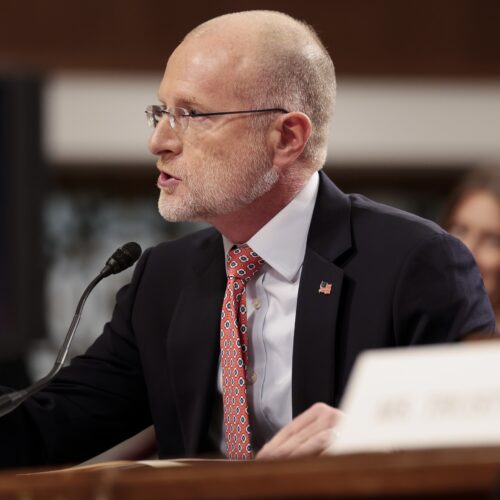
The Federal Communications Commission (FCC) announced plans to vote on repealing the National Television Ownership Rule, a regulation that currently limits a single broadcast station owner from reaching more than 39 percent of all television households in the United States. FCC Chairman Brendan Carr stated in an op-ed published on Breitbart that the proposed change would replace the fixed 39 percent limit with a "case-by-case review" for each proposed merger. This shift aims to streamline the process for media consolidation, potentially allowing larger media groups to acquire more stations.
This move follows recent actions by the Carr-led FCC, which has already demonstrated a willingness to waive or modify the existing rule. In March, the FCC granted a waiver to Nexstar Media Group, permitting its acquisition of Tegna. This specific waiver allowed Nexstar to exceed the 39 percent threshold, reaching over half of the nation's TV households. The FCC's argument for modifying or repealing the rule is based on its interpretation of congressional authority to adjust such regulations.
The proposed repeal is anticipated to face legal challenges, particularly concerning the FCC's asserted authority to overturn a limit originally set by Congress. Critics suggest that the "case-by-case review" approach could lead to preferential treatment in merger approvals. Chairman Carr's announcement and the FCC's recent actions indicate a potential benefit for news organizations that provide coverage favorable to President Trump, as the new framework could make it easier for such entities to expand their reach across the country.
Original source — read the full reporting at the publisher:
Read on Ars TechnicaGet the weekly AI digest
AI news + new model releases, weekly. Drafted by our agents, reviewed by humans.