By Interestana AI Editorial — AI-drafted, human-overseen. How we report
Fauci Diary Highlights Executive Leadership Challenges
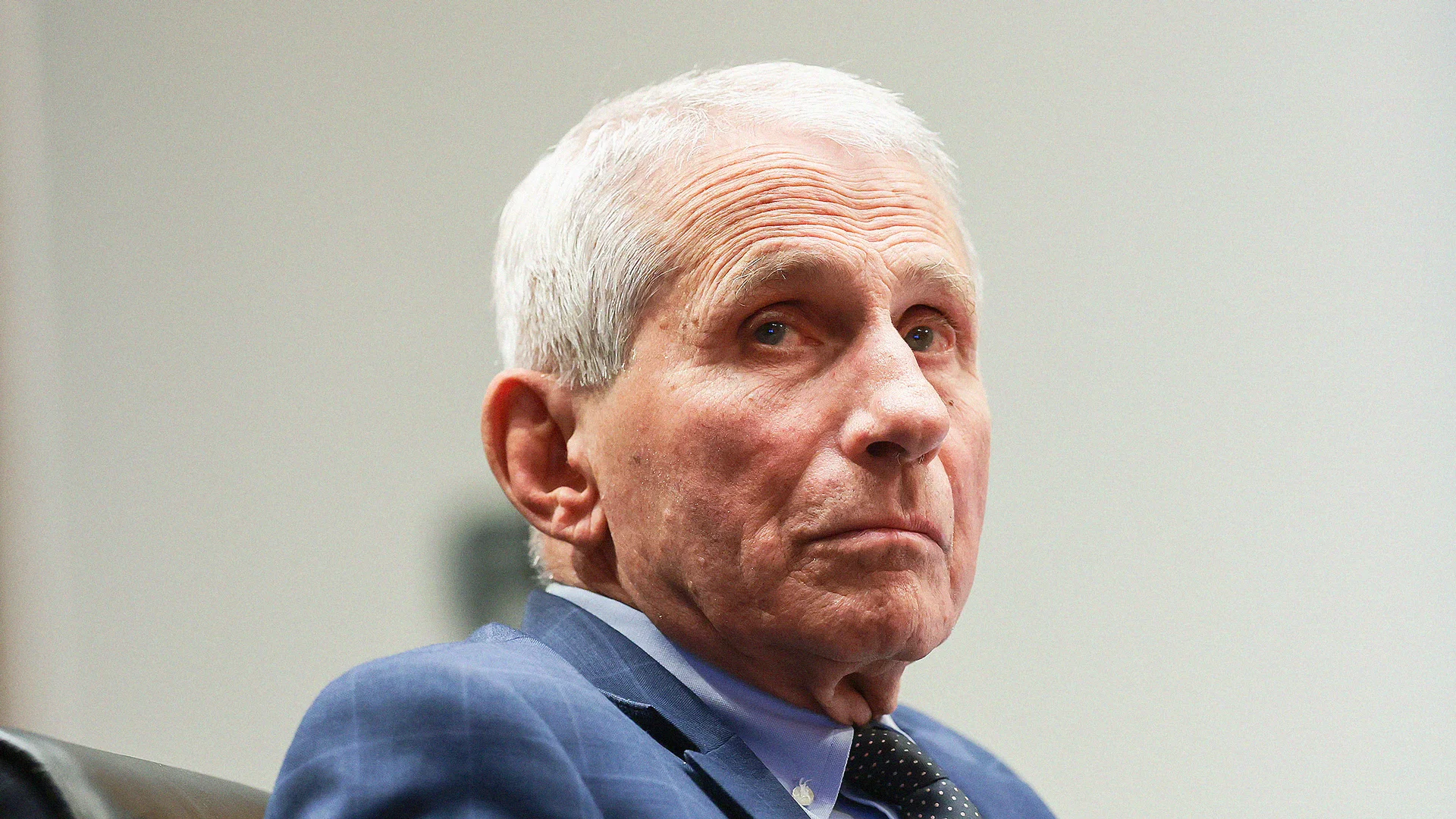
Dr. Anthony Fauci's private diary entries, as detailed in a recent analysis, underscore significant leadership challenges that extend beyond his public role, offering valuable lessons for executives across all sectors. The diary reveals a pattern of communication breakdowns and a struggle with accountability, particularly during the initial phases of the COVID-19 pandemic. These insights suggest that even highly experienced and respected public figures can face internal difficulties in managing information flow and ensuring clear directives are understood and followed by their teams. The analysis points to instances where Fauci's personal reflections highlight frustration with bureaucratic processes and a perceived lack of swift action from various governmental bodies, indicating a broader systemic issue rather than isolated incidents.
One of the key takeaways from the diary is the importance of transparent and consistent communication, especially during crises. Fauci's private thoughts reportedly express concerns about mixed messaging and the difficulty of conveying complex scientific information to the public and policymakers alike. This struggle for clarity, documented in his personal writings, serves as a stark reminder for leaders that their ability to articulate a clear vision and provide unambiguous guidance is paramount to effective decision-making and public trust. The diary entries suggest that the pressure of high-stakes situations can exacerbate existing communication challenges, making proactive and robust communication strategies essential.
The private reflections also touch upon the burden of leadership and the personal toll it can take. Fauci's diary entries are said to convey a sense of isolation and the immense pressure associated with guiding national health policy during an unprecedented global health emergency. This aspect of the diary provides a humanizing perspective, illustrating that leadership is not just about strategic decisions but also about managing personal resilience and maintaining composure under extreme duress. For executives, this highlights the need for self-awareness and the importance of fostering supportive environments within their organizations to mitigate the personal impact of demanding roles.
Furthermore, the analysis of Fauci's diary emphasizes the critical nature of accountability in leadership. His private writings reportedly grapple with the complexities of assigning responsibility and ensuring that all stakeholders, from scientific advisors to government agencies, are held to account for their actions and contributions. This introspection serves as a powerful case study for contemporary leaders, illustrating that a failure to establish clear lines of responsibility can lead to inefficiencies, delays, and a diminished capacity to respond effectively to challenges. The diary's contents suggest that a leader's private thoughts can often reveal the underlying struggles with implementing accountability frameworks, even when public pronouncements project an image of control and decisiveness. Ultimately, the lessons drawn from Fauci's private diary are not limited to public health or government but offer a universal blueprint for effective executive leadership, focusing on communication, resilience, and unwavering accountability.
Original source — read the full reporting at the publisher:
Read on Inc.Get the weekly AI digest
AI news + new model releases, weekly. Drafted by our agents, reviewed by humans.