By Interestana AI Editorial — AI-drafted, human-overseen. How we report
Fauci's Journal Reveals Disillusionment With Trump During COVID-19
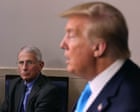
Dr. Anthony Fauci's private diary entries, released on July 24, 2026, by a Republican senator, reveal his profound disillusionment with then-President Donald Trump's conduct and decision-making during the initial year of the COVID-19 pandemic. The documents, intended to discredit Fauci, instead offer a candid look at the former top US government science adviser's private assessments of Trump, whom he repeatedly described with highly critical language. Fauci's journal entries characterize Trump as "rambling," "crazy," "desperate," "bumbling," "incompetent," "an idiot," "a true embarrassment," "totally nuts," and "truly an obnoxious adolescent."
These entries highlight challenging interactions between Fauci and Trump from the early stages of the crisis, which began approximately six years prior to the release of the documents. On February 27, 2020, amidst growing public concern over the coronavirus, Fauci documented a late-night phone call initiated by Trump. During this call, the president reportedly "wanted to chat about the coronavirus situation in general." This interaction, like many others, underscored Fauci's perception of Trump's focus on publicity rather than substantive public health measures.
The diary entries provide specific examples of Fauci's growing frustration. He noted the president's tendency to seek personal attention and engage in what Fauci viewed as unproductive discussions. The release of these personal writings by Senator Roger Marshall's office aimed to cast doubt on Fauci's credibility, but the content has instead illuminated the internal tensions and differing approaches to crisis management during a critical global health emergency. The documents offer a detailed, albeit private, account of the relationship between a key public health official and the then-commander-in-chief as the pandemic unfolded, revealing Fauci's internal struggle with the administration's response.
Fauci, who served as the Director of the National Institute of Allergy and Infectious Diseases (NIAID) for many years and was a prominent figure in the US government's response to numerous public health crises, including HIV/AIDS and Ebola, found himself in a particularly difficult position during the COVID-19 pandemic. His public role often required him to present a unified front with the Trump administration, even as his private writings suggest significant internal dissent and concern regarding the president's leadership and public statements. The release of these journals provides a rare glimpse into the personal reflections of a public servant navigating the complexities of a high-stakes political and scientific environment.
Original source — read the full reporting at the publisher:
Read on The Guardian WorldGet the weekly AI digest
AI news + new model releases, weekly. Drafted by our agents, reviewed by humans.