By Interestana AI Editorial — AI-drafted, human-overseen. How we report
Hawk Fire Explodes to Over 13,000 Acres in Nevada, Forcing Thousands to Evacuate Reno
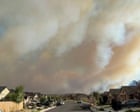
The Hawk fire, a rapidly expanding wildfire in Nevada, consumed more than 13,000 acres (approximately 5,200 hectares) by early Sunday morning, prompting mandatory evacuations for approximately 42,000 residents in the city of Reno. The blaze originated in the Sierra foothills, a mountainous region known for its dry vegetation and susceptibility to wildfires, and advanced aggressively towards the city center. Its rapid progression threatened numerous residential neighborhoods and reached the perimeter of the University of Nevada, Reno campus, a significant educational institution serving thousands of students and faculty. Truckee Meadows Fire and Rescue, the agency responsible for firefighting in the Reno area, reported that a confluence of adverse weather conditions was significantly fueling the fire's rapid growth and westward progression. These conditions included strong, gusty winds, which can quickly spread embers and accelerate the fire's advance, coupled with critically low humidity levels and an abundance of dry vegetation, which acts as readily available fuel.
The "GO NOW" evacuation zone, designated for areas facing immediate and imminent danger, had expanded to encompass the edge of the University of Nevada campus. This designation signifies the critical nature of the threat to the university's infrastructure and the safety of its occupants. In addition to the mandatory evacuations, an additional 45,000 individuals were placed in an "evacuation warning zone." Authorities advised these residents to leave their homes proactively and prepare for potential displacement lasting several days. This recommendation was made to ensure clear and unobstructed access for emergency responders, allowing them to effectively combat the blaze without impediment from civilian traffic. The sheer scale of these evacuations underscores the immediate and widespread threat posed by the Hawk fire to a substantial portion of Reno's population and its critical infrastructure.
This wildfire incident highlights the increasing vulnerability of urban and suburban areas to large-scale blazes, particularly in regions like Nevada that experience arid conditions and are prone to high winds. The proximity of the fire to a major educational institution like the University of Nevada also raises significant concerns about the safety of students, faculty, staff, and the preservation of university assets and research. Firefighting efforts were actively underway, with resources from multiple agencies focused on containment strategies, protecting lives, and mitigating property damage. The full extent of the damage and the timeline for residents to safely return to their homes remained uncertain as of Sunday morning, contingent on the fire's unpredictable behavior and the effectiveness of ongoing suppression strategies. The incident serves as a stark reminder of the ongoing and escalating challenges posed by wildfire season in the western United States, a region increasingly impacted by climate change and its effects on weather patterns and vegetation.
Original source — read the full reporting at the publisher:
Read on The Guardian WorldGet the weekly AI digest
AI news + new model releases, weekly. Drafted by our agents, reviewed by humans.