By Interestana AI Editorial — AI-drafted, human-overseen. How we report
Far-Right Surge in Brazil Linked to Evangelical Strength and Lula's Perceived Age
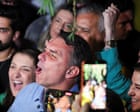
Flávio Bolsonaro, son of former Brazilian President Jair Bolsonaro, experienced a significant surge in the recent first-round elections, a development attributed by experts to the potent influence of the evangelical church and a perception among some voters that President Luiz Inácio Lula da Silva is too old to effectively lead the nation. This electoral setback for Lula, a prominent figure in Brazilian progressive politics, was met with disappointment in left-leaning areas of Rio de Janeiro, where supporters expressed a desire to "turn this around" for their leader. The strength of the evangelical vote is a well-documented factor in Brazilian politics, often aligning with conservative social agendas that have been championed by the Bolsonaro family. This demographic has become a crucial base for the far-right, providing a consistent and mobilized electorate. The perception of President Lula da Silva's age, while not a direct policy issue, taps into broader societal concerns about leadership vitality and the ability to navigate complex national challenges. Lula, who has had a long career in politics, including two previous terms as president, is now in his late 70s. This narrative, whether explicitly stated or implicitly felt by voters, may have contributed to a desire for a different kind of leadership. The election results indicate a complex interplay of religious, demographic, and political factors shaping the Brazilian electorate. The far-right's continued momentum, exemplified by Flávio Bolsonaro's performance, suggests a significant portion of the population remains receptive to their platform. The progressive movement, represented by Lula da Silva, faces the challenge of addressing these underlying concerns and re-energizing its base. The adapted football chant heard in Rio de Janeiro underscores the emotional impact of these electoral outcomes and the determination of some to contest the current political trajectory. The specific details of the election results, including vote percentages and the distribution of support across different regions and demographics, will provide further insight into the precise drivers of this far-right surge and the challenges confronting the current administration. The ongoing political landscape in Brazil is characterized by a deep ideological divide, and the recent election outcomes highlight the enduring appeal of the far-right and the need for progressive forces to adapt their strategies to resonate with a broader segment of the electorate. The influence of religious institutions on political affiliation remains a critical area of analysis for understanding Brazilian democracy.
Original source — read the full reporting at the publisher:
Read on The Guardian WorldGet the weekly AI digest
AI news + new model releases, weekly. Drafted by our agents, reviewed by humans.