By Interestana AI Editorial — AI-drafted, human-overseen. How we report
Nepal Floods: Families Await News as 41 Australians Remain Missing Amidst Grim Identification Efforts
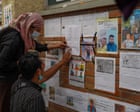
In the wake of devastating floods that have ravaged Nepal, families are caught in a harrowing emotional landscape, oscillating between hope for the survival of their loved ones and the crushing despair of potential loss. At a teaching hospital in Kathmandu, a grim and urgent process is underway as Nepalese authorities confront the overwhelming task of managing unidentified deceased individuals. Pictures of these victims, varying in age and gender, are being displayed on a wall at the hospital's rear every few hours. Many of these individuals are described as being covered in mud, rendering them difficult, if not impossible, to recognize, even by those who knew them well. This visual display serves as a poignant and stark reminder of the immense scale of the tragedy that has unfolded.
To facilitate the identification of the deceased and to ensure that proper burials can be conducted, Nepalese authorities are diligently collecting DNA samples. This critical measure is being implemented with urgency, particularly as the morgues at the hospital risk becoming overwhelmed. The proactive collection of DNA is essential for establishing identities and allowing for the eventual return of remains to grieving families, thereby offering a measure of closure. The situation is amplified in its distress for international families, with a significant number of Australians, 41 in total, still reported missing in the flood-affected regions. The prolonged uncertainty surrounding the fate of these missing individuals intensifies the emotional burden on their families, who are left to grapple with the dwindling possibility of rescue and the stark reality of irreversible loss.
The floods have not only caused widespread physical destruction across Nepal but have also precipitated a significant humanitarian crisis that demands immediate and coordinated international attention. The ongoing search and rescue operations, coupled with the painstaking efforts to identify the deceased, highlight the critical need for robust disaster response mechanisms and effective international cooperation during times of crisis. The visual representation of the unidentified victims at the hospital serves as a powerful testament to the profound human toll of this disaster and underscores the urgent necessity for swift and efficient identification processes. The collection of DNA samples represents a vital scientific approach to reconnecting the deceased with their families, offering them the dignity of a proper burial and the solace of knowing what has become of their loved ones. The magnitude of this disaster necessitates a comprehensive and multifaceted approach that addresses not only the immediate life-saving rescue efforts but also the long-term challenges of recovery, reconstruction, and support for the affected communities.
Original source — read the full reporting at the publisher:
Read on The Guardian WorldGet the weekly AI digest
AI news + new model releases, weekly. Drafted by our agents, reviewed by humans.