By Interestana AI Editorial — AI-drafted, human-overseen. How we report
Free Speech Concerns Could Cost Labour Votes, Liberty Poll Finds
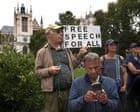
A significant majority of voters, three in five, stated that a political party's stance on free speech would influence their voting decisions in the upcoming general election, according to polling commissioned by the human rights organization Liberty. This finding suggests that the issue of free speech is a substantial concern for the electorate and that current government policies may be perceived negatively. Liberty has asserted that the Labour party's perceived failure to adequately protect free speech could result in a loss of votes, highlighting a potential electoral vulnerability.
The polling, conducted by More in Common, revealed that many individuals feel that recent policies have had a detrimental effect on the landscape of free speech in Britain. This sentiment indicates a widespread dissatisfaction with the current approach to safeguarding expression, suggesting that voters are actively evaluating political parties based on their commitment to this fundamental right. The implication for Labour is that a clear and robust position on free speech could be a critical factor in securing voter support, while a perceived inaction or negative stance could alienate a considerable portion of the electorate.
Liberty's analysis of the poll data underscores the importance of free speech as a deciding factor for voters, positioning it as a key issue that political parties cannot afford to overlook. The organization's claim that Labour's position could cost them votes implies a strategic imperative for the party to address these concerns proactively. The findings suggest a disconnect between current political actions and public expectations regarding free speech, a gap that could be exploited by opposition parties or lead to voter apathy if not rectified. The poll serves as a warning to political strategists that free speech is not a niche issue but a mainstream concern with tangible electoral consequences.
The research commissioned by Liberty indicates that the perception of policies negatively affecting free speech is prevalent among voters. This suggests a public awareness and concern that extends beyond activist circles, reaching into the broader voting population. The potential electoral cost for Labour, as highlighted by Liberty, stems from the possibility that voters prioritizing free speech will look elsewhere if they believe the party is not sufficiently championing this cause. The findings from More in Common provide concrete data points for political parties to consider as they formulate their platforms and campaign strategies leading up to the next general election.
Original source — read the full reporting at the publisher:
Read on The Guardian WorldGet the weekly AI digest
AI news + new model releases, weekly. Drafted by our agents, reviewed by humans.