By Interestana AI Editorial — AI-drafted, human-overseen. How we report
2026 Bahrain Grand Prix Relocated to Malaysia and Delayed by Torrential Rain
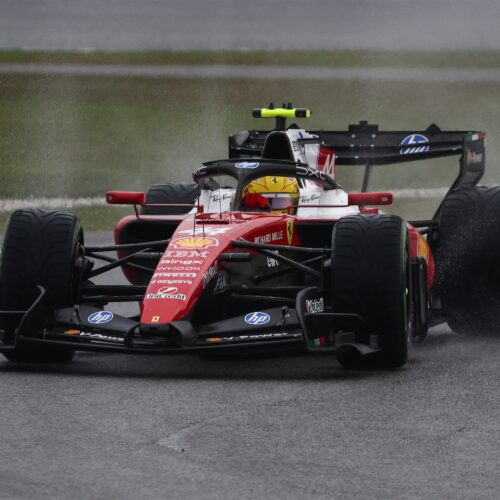
The 2026 edition of the Bahrain Grand Prix encountered a series of unprecedented challenges, culminating in its relocation to the Sepang International Circuit in Malaysia and a substantial delay due to severe weather. The decision to move the prestigious motorsport event from its traditional home in Bahrain was necessitated by ongoing geopolitical tensions, specifically an "ongoing war with Iran," which rendered holding the race in the Gulf nation impossible. This geopolitical backdrop forced Formula 1 and its stakeholders to seek an alternative venue, ultimately landing on the Sepang International Circuit, a venue with a rich history in Formula 1.
Sepang, located in Malaysia, is renowned for its demanding tropical climate and was designed by the celebrated German architect Herman Tilke. Tilke's "Tilke tracks," often characterized by their long straights and complex corner sequences, are known for pushing drivers and machinery to their limits. Sepang, in particular, is infamous for its oppressive heat and humidity, which present a significant physical challenge for drivers. The 2026 race proved no exception to this reputation, as torrential rain arrived approximately thirty minutes before the scheduled start time, creating hazardous conditions and forcing a significant delay.
Formula 1's technical regulations include specialized tires for wet-weather racing. The sport utilizes two primary types of treaded tires: the full wet tire and the intermediate tire. The full wet tire, designed for extremely heavy rainfall, features deep grooves that are highly effective at displacing large volumes of water. However, this design also generates a considerable amount of spray, which can severely reduce visibility for following cars. Consequently, the full wet tire is often only practical for circulating behind the safety car, as the spray can make racing at competitive speeds unsafe. The intermediate tire, on the other hand, is engineered for damp or lightly wet tracks. It possesses shallower grooves than the full wet tire, offering a balance between water displacement and reduced spray. While providing better grip on less saturated surfaces, intermediate tires are susceptible to rapid overheating and accelerated wear as the track begins to dry. This necessitates careful tire management and strategic pit stop decisions, as drivers must transition to slick tires as soon as conditions permit to maintain performance and avoid premature degradation.
The 2026 Bahrain Grand Prix, despite its extraordinary circumstances, eventually proceeded, showcasing the sport's resilience and adaptability. The relocation to Sepang underscored the logistical complexities inherent in international motorsport, particularly when faced with unforeseen geopolitical events. The persistent rain at Sepang further tested the capabilities of the teams, drivers, and the sport's operational infrastructure, serving as a stark reminder of the unpredictable nature of motorsport and the constant need for preparedness in the face of environmental and global challenges.
Original source — read the full reporting at the publisher:
Read on Ars TechnicaGet the weekly AI digest
AI news + new model releases, weekly. Drafted by our agents, reviewed by humans.