By Interestana AI Editorial — AI-drafted, human-overseen. How we report
Exxon, Chevron Warn Fuel Prices to Endure as War Knocks Refining Capacity Offline
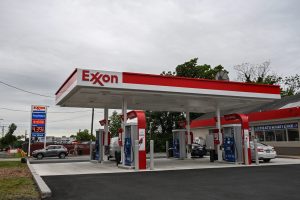
ExxonMobil Holdings Corp. and Chevron Corp., two of the world's largest integrated oil and gas companies, have issued stark warnings that elevated fuel prices for gasoline, diesel, and jet fuel are likely to persist, even in the event of declining crude oil prices in the coming months. This outlook is primarily driven by significant disruptions and a critical shortage in global refining capacity, exacerbated by ongoing conflicts in Russia and the Middle East. Historically, the prices of refined fuels like gasoline and diesel have closely tracked the price of crude oil. However, this traditional correlation is becoming increasingly tenuous. The reason for this divergence is the substantial number of refineries that have been taken offline, either temporarily or permanently, due to geopolitical instability and other factors. This reduction in refining capacity means that even if crude oil becomes more abundant and cheaper, the ability to process it into usable fuels is severely limited, leading to persistently high fuel prices and, consequently, accelerating inflation. Neil Hansen, Chief Financial Officer of ExxonMobil, identified refining as the "constraint pain point in the energy system," suggesting that this critical aspect of the energy supply chain is not receiving adequate market focus. According to analysis by Melius Research, approximately 10% of the world's crude oil refining capacity is effectively offline. This significant reduction is attributed to a confluence of factors: the ongoing closure of the Strait of Hormuz, a vital chokepoint for oil tanker traffic; continued Ukrainian attacks targeting Russian refineries, which are crucial for global supply; and China's imposition of an export ban on refined products, further tightening global availability. The consequence of this diminished capacity is that the remaining operational refineries are running at their absolute maximum output to meet existing demand. This intense utilization leaves them unable to ramp up production further, even if more crude oil were available for processing. The immediate result of this supply-demand imbalance in the refining sector is record-high fuel-making margins. While these elevated margins benefit refinery owners, they translate directly into increased costs for consumers at the pump and for businesses relying on diesel and jet fuel. The impact of this trend is particularly evident in the United States. The average price of gasoline has crept up above $4 per gallon, a development that has caused considerable frustration among drivers and has drawn criticism from politicians, including former President Donald Trump, who has publicly urged major oil companies to lower costs more rapidly. Despite a notable 26% decrease in the price of West Texas Intermediate (WTI) crude oil from its peak in May 2026, retail gasoline prices in the US remain only 10% below their yearly high. Neil Mehta, a prominent analyst at Goldman Sachs Group Inc., echoed these concerns, stating that refining is "obviously the bottleneck in the petroleum system right now, and margins are exceptionally high." Chevron CEO Mike Wirth further elaborated on the specific pain points, highlighting that the most acute issues lie with middle distillates. This category of refined products is critical for transportation and heating and includes diesel, jet fuel, and heating oil. Retail diesel prices, for instance, are currently only 6% below their yearly highs, underscoring the persistent pressure on this essential fuel type.
Original source — read the full reporting at the publisher:
Read on FortuneGet the weekly AI digest
AI news + new model releases, weekly. Drafted by our agents, reviewed by humans.