By Interestana AI Editorial — AI-drafted, human-overseen. How we report
Climate Crisis Supercharges Europe's Wildfire Weather
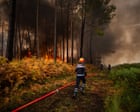
The climate crisis has significantly amplified the likelihood of extreme weather conditions that fuel devastating wildfires across Europe, according to a recent scientific analysis. Specifically, global heating has made the hot, dry, and windy weather patterns observed in Spain at least 20 times more probable. For France, these conditions have become twice as likely due to the ongoing climate crisis. These findings, calculated by experts from the World Weather Attribution (WWA) consortium, represent the latest evidence directly linking the continent's intensely hot and deadly summer seasons to the warming caused by the combustion of fossil fuels like oil, gas, and coal. The WWA consortium employs established scientific methods to assess the influence of climate change on extreme weather events. Their approach involves comparing current weather patterns with climate models that simulate a world without human-induced greenhouse gas emissions. By analyzing historical weather data and climate model outputs, they can quantify the extent to which human activities have altered the probability and intensity of specific events. This rigorous methodology allows for a clear attribution of extreme weather phenomena to anthropogenic climate change. The study's findings underscore the urgent need for global action to mitigate greenhouse gas emissions and adapt to the escalating impacts of climate change. Wildfires, such as those experienced recently in Spain and France, pose severe threats to human life, ecosystems, infrastructure, and economies. They lead to loss of biodiversity, destruction of natural habitats, displacement of communities, and significant economic costs associated with firefighting, recovery, and long-term environmental damage. The increased frequency and intensity of these events, as highlighted by the WWA study, necessitate enhanced preparedness and response strategies. This includes investing in early warning systems, improving forest management practices to reduce fuel loads, and developing more resilient infrastructure. Furthermore, the research reinforces the scientific consensus that transitioning away from fossil fuels towards renewable energy sources is critical to averting the most catastrophic consequences of climate change. The implications of this study extend beyond Spain and France, suggesting that similar increases in wildfire risk are likely occurring or will occur in other regions susceptible to hot, dry, and windy conditions. The WWA's work provides a crucial scientific basis for policymakers, international organizations, and the public to understand the tangible impacts of climate change and to advocate for stronger climate policies and climate action. The consortium's commitment to transparent and reproducible research ensures that their findings are credible and can inform effective climate adaptation and mitigation efforts worldwide.
Original source — read the full reporting at the publisher:
Read on The Guardian EnvironmentGet the weekly AI digest
AI news + new model releases, weekly. Drafted by our agents, reviewed by humans.