By Interestana AI Editorial — AI-drafted, human-overseen. How we report
Extreme Heat Disrupts Flights Due to Thinner Air
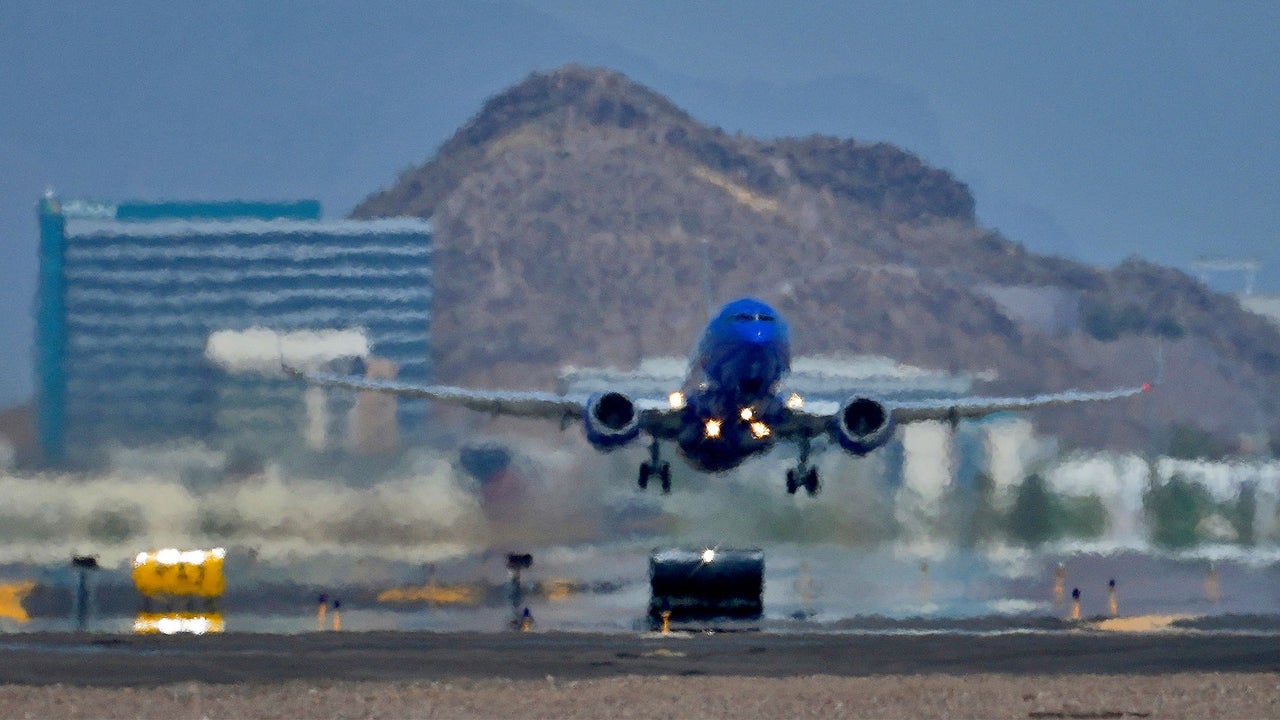
Extreme heat, a phenomenon increasingly linked to human-caused climate change, is contributing to more frequent flight delays and disruptions. While passengers are accustomed to weather-related cancellations due to thunderstorms, snow, or high winds, the impact of high temperatures on air travel is less intuitive but equally significant. On exceptionally hot days, the air becomes thinner, reducing the lift generated by aircraft wings and the thrust produced by jet engines, thereby compromising safe takeoff capabilities. This physical principle necessitates adjustments by airlines, often involving reducing the aircraft's weight. Such measures can include offloading passengers or cargo, or carrying less fuel. This issue is particularly pronounced in arid regions with naturally high temperatures, such as the U.S. Southwest and the Middle East, where airports are accustomed to these operational challenges. However, even moderate heat can create similar problems at airports situated at higher elevations or those with shorter runways, where the air is already less dense.
Recent events have highlighted these challenges. During a heatwave in July, Las Vegas experienced temperatures reaching 114 degrees Fahrenheit (47 degrees Celsius) at Harry Reid International Airport. American Airlines responded by offering compensation to passengers who voluntarily relinquished their seats on a flight from this airport. The airline stated that reducing an aircraft's weight under such hot conditions is a standard industry practice to ensure safe takeoffs. Ross Aimer, a retired United Airlines captain and CEO of Aero Consulting Experts, explained the underlying physics, comparing the effect of hot, thin air on aircraft performance to the challenges athletes face when competing at high altitudes. He emphasized that the science of flight dictates these operational constraints, making them unavoidable when conditions require them.
The implications of climate change suggest that these disruptions may become more common. As global temperatures rise and heatwaves intensify in frequency and severity across regions like the United States and Europe, the conditions that challenge aircraft performance will likely occur more often. This could lead to a greater number of flight delays and cancellations, impacting travel plans for a wider range of passengers. The science behind flight operations is clear: hotter air is less dense, requiring more effort from both the wings for lift and the engines for thrust. This fundamental aspect of aerodynamics means that as temperatures climb, the margin for error in takeoff performance decreases, forcing airlines to implement weight-saving measures to maintain safety standards. The interconnectedness of climate, weather, and aviation infrastructure means that the effects of a warming planet are extending into the operational realities of air travel, necessitating a deeper understanding of these physical limitations.
Original source — read the full reporting at the publisher:
Read on Fast CompanyGet the weekly AI digest
AI news + new model releases, weekly. Drafted by our agents, reviewed by humans.