By Interestana AI Editorial — AI-drafted, human-overseen. How we report
Swiss Glaciers Lose Nearly a Fifth of Ice in Five Years Amidst Climate Crisis
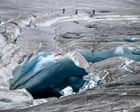
Switzerland has witnessed a dramatic and accelerated loss of its iconic glaciers, with nearly one-fifth of its ice volume disappearing in just five years. Research released in October 2026 revealed that Swiss glaciers shrank by a staggering 19.4% between 2021 and the first eight months of 2026. This period saw a particularly severe melt rate, with glaciers losing 5.5% of their volume in the first eight months of 2026 alone. This figure, according to an annual monitoring report, narrowly missed the record melt observed in 2022, underscoring a concerning trend of rapid glacial retreat in the Alps. Scientists directly link this "explosion of melt rates" to the heat-trapping effects of fossil fuel pollution, a primary driver of global climate change. The consequences are a profound reshaping of the Alpine landscape, transforming once majestic white glaciers into "moonlike rock deserts."
The annual monitoring report, a crucial source of data for understanding glacial changes in Switzerland, highlighted the impact of recent extreme weather. A summer of scorching heatwaves in 2026, following a winter with minimal snowfall, significantly contributed to the accelerated ice loss. This vulnerability of glacial ice to short-term extreme weather events, which are becoming more frequent and intense due to rising global temperatures, is a key concern. The cumulative loss since 2021 signifies an accelerating trend, moving beyond gradual decline to a more rapid and alarming disappearance of these vital ice reserves.
The implications of this rapid glacial melt extend far beyond the visual transformation of the landscape. Glaciers in the Alps play a critical role in regional water security. They act as natural reservoirs, releasing meltwater that sustains rivers, supports agriculture, and contributes to hydroelectric power generation throughout the warmer months. The diminishing ice mass threatens these essential water resources, impacting ecosystems that depend on cold, glacial environments and potentially leading to water scarcity issues. Furthermore, the cultural and aesthetic significance of Switzerland's glaciers, long a symbol of the nation's natural beauty and a draw for tourism, is being eroded. The research serves as a stark reminder of the tangible and devastating impacts of human-induced climate change, emphasizing the urgent need for global action to reduce greenhouse gas emissions and mitigate further warming.
Original source — read the full reporting at the publisher:
Read on The Guardian WorldGet the weekly AI digest
AI news + new model releases, weekly. Drafted by our agents, reviewed by humans.