By Interestana AI Editorial — AI-drafted, human-overseen. How we report
New Mechanical Keyboard Switches Explained
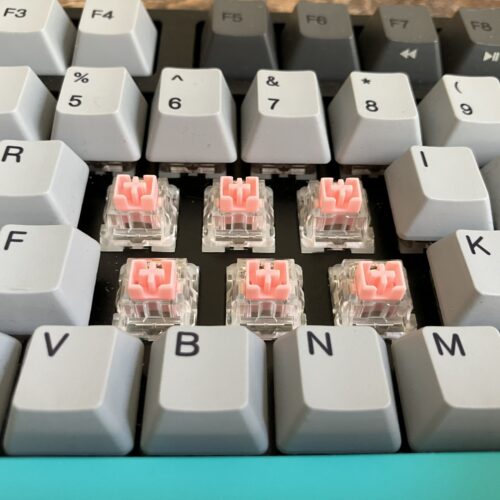
The mechanical keyboard landscape has evolved significantly over the past six years with the introduction of "contactless" switch technologies, including optical and Hall-effect designs. These newer switches are increasingly found in keyboards that command higher prices than traditional mechanical keyboards, which themselves are already a premium over standard membrane keyboards. The primary appeal of these advanced switches lies in their theoretical advantages, particularly for gamers, though the practical differences can be subtle in everyday use. This guide aims to clarify how these modern switches function, the reasons behind the growing popularity of contactless designs, and the specific areas where their benefits and drawbacks are most pronounced.
Traditional mechanical keyboards utilize physical metal contacts that close a circuit when a key is pressed. This direct contact can lead to wear and tear over time, potentially affecting the switch's lifespan and reliability. In contrast, contactless switches, such as optical and Hall-effect types, detect key presses without physical contact. Optical switches typically use an infrared LED and a photodiode. When the key is pressed, a stem interrupts the light beam, signaling a keypress. This method eliminates the wear associated with metal contacts and can offer faster actuation speeds because there's no debounce delay inherent in mechanical switches.
Hall-effect switches, a prominent type of contactless technology, operate using a sensor that detects changes in magnetic field strength. Each Hall-effect switch contains a magnet in the keycap or stem and a Hall sensor positioned on the keyboard's circuit board. As the key is pressed, the magnet moves closer to the sensor, altering the magnetic field and triggering the sensor to register a keypress. This design offers several advantages: extreme durability due to the absence of physical contact, the potential for adjustable actuation points (allowing users to customize how far down a key needs to be pressed to register), and rapid response times, which are crucial for competitive gaming. Some manufacturers also implement analog input capabilities with Hall-effect switches, enabling them to detect varying degrees of key travel, similar to an analog joystick, which can be used for nuanced control in games or applications.
Another emerging technology is Tunnel Magnetoresistance (TMR). TMR sensors are highly sensitive to magnetic fields and can detect minute changes in magnetic flux. Like Hall-effect switches, TMR switches use magnets to register key presses. The key difference lies in the sensor's mechanism, which relies on the quantum mechanical phenomenon of tunneling to measure the resistance change caused by the magnetic field. This can lead to even greater sensitivity and potentially lower power consumption compared to Hall-effect sensors. The adoption of these advanced switch types reflects a broader trend in the keyboard market towards enhanced performance, durability, and customizable user experiences, catering to enthusiasts and professionals who demand more from their input devices.
Original source — read the full reporting at the publisher:
Read on Ars TechnicaGet the weekly AI digest
AI news + new model releases, weekly. Drafted by our agents, reviewed by humans.