By Interestana AI Editorial — AI-drafted, human-overseen. How we report
Facebook Emails Show Sacha Baron Cohen's Fake News Suggestions
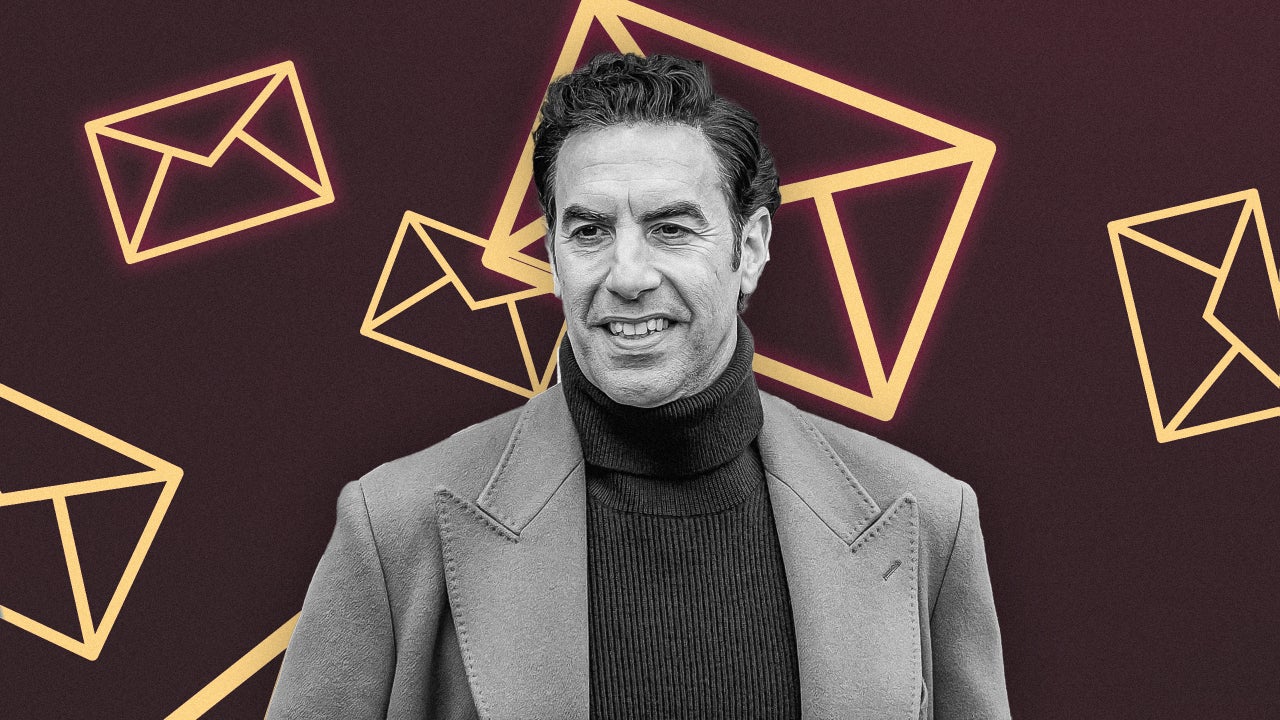
Internal emails from Facebook, revealed as part of New Mexico's Cambridge Analytica lawsuit, show that comedian Sacha Baron Cohen proposed policy ideas to then-Chief Operating Officer Sheryl Sandberg eight days after the 2016 U.S. presidential election. In an email titled “Thoughts for the day,” sent on November 16, 2016, Cohen urged Facebook to adopt fact-checking labels and counter-radicalization messages similar to those used by Google. He specifically suggested that Facebook "include Holocaust Denial as fake news," arguing that "Fascist movements need to deny the holocaust in order to get new supporters." Cohen also proposed a "MICHELIN GUIDE FOR THE WEB," where trusted websites would be recommended by experts from institutions like Encyclopedia Britannica or top universities, or by a consulting firm named Oxford Analytica. Oxford Analytica was distinct from Cambridge Analytica, the political consultancy that later faced global scrutiny and resulted in billions of dollars in fines and settlements for Facebook.
Sheryl Sandberg forwarded Cohen's email to five senior executives just 26 minutes after receiving it, noting that it was "from Sasha Baron Cohen—quite thoughtful on these issues for us." She questioned whether Facebook could match Google's perceived speed or credit in addressing these issues, adding, "Elliot & Joel—I really think he is right on Holocaust denial as I always have." Elliot Schrage, Facebook's policy chief, responded that the company agreed accuracy signals "should apply to holocaust denial as well." However, Schrage framed a "stark choice" for Facebook between operating as a "platform for good," as defined by individuals like Cohen or "other elites," and functioning as a "platform for all." This internal discussion highlights Facebook's early considerations of content moderation policies and the challenges of balancing user expression with the need to combat misinformation and hate speech, particularly in the sensitive context of historical denialism.
The newly revealed documents provide a glimpse into the internal deliberations at Facebook during a period of intense public pressure regarding the platform's role in disseminating false information. The Cambridge Analytica scandal, which broke 16 months after these emails were exchanged, involved the improper harvesting of data from millions of Facebook users and its use for political advertising. This event led to significant regulatory action and public distrust. The emails involving Sacha Baron Cohen suggest that even before the full extent of these issues became public, Facebook executives were grappling with how to address problematic content and the potential implications of their platform's reach. The specific mention of Holocaust denial as a category of fake news underscores the company's awareness of the need to confront extreme forms of misinformation, even as they navigated the broader debate about free speech versus content moderation.
Original source — read the full reporting at the publisher:
Read on Fast CompanyGet the weekly AI digest
AI news + new model releases, weekly. Drafted by our agents, reviewed by humans.