By Interestana AI Editorial — AI-drafted, human-overseen. How we report
Ex-Tesla President Links Roadster Delay to SpaceX Tech
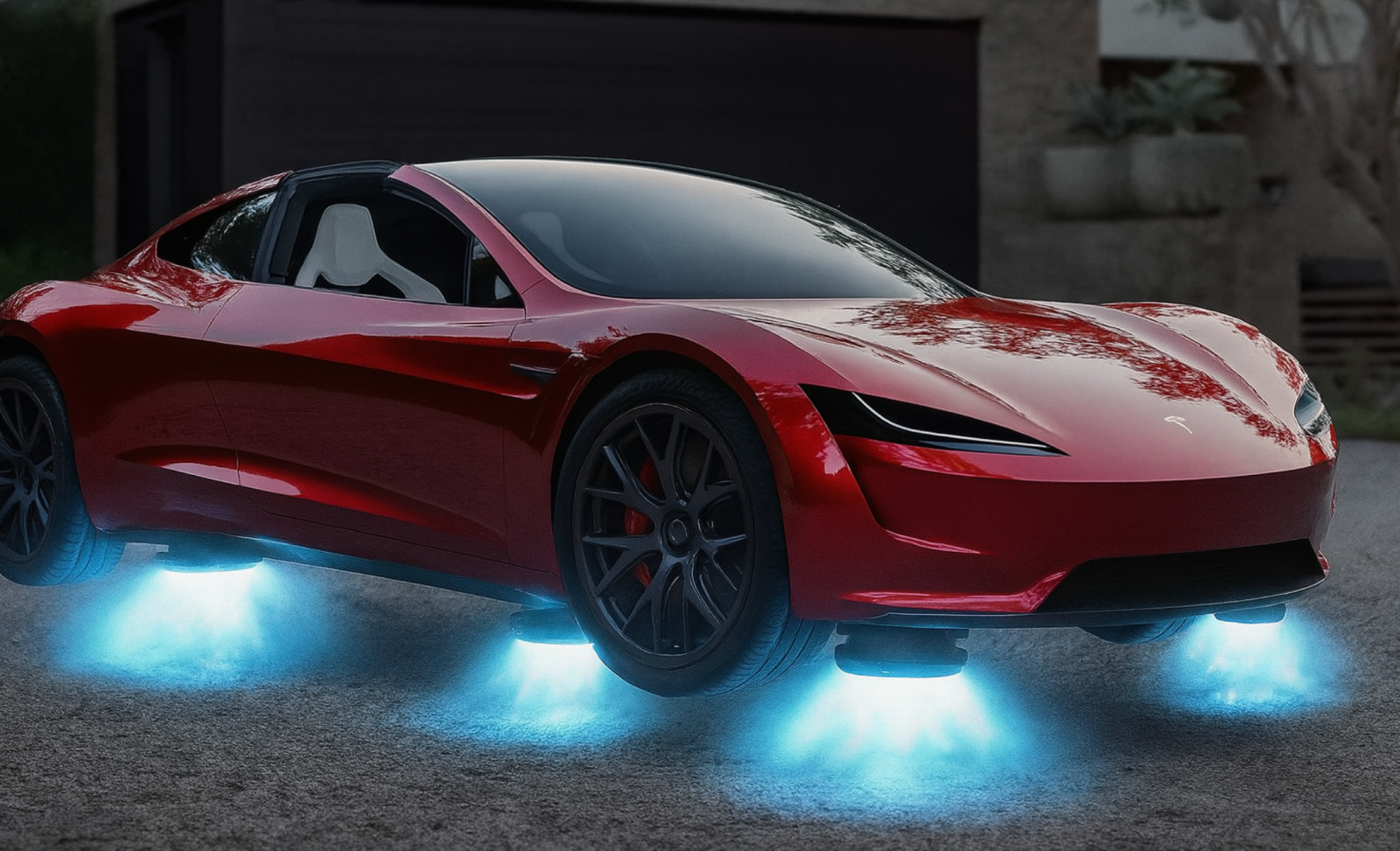
Jon McNeill, who served as Tesla's president from 2015 to 2018, has stated that the prolonged delay of the next-generation Tesla Roadster is linked to the integration of SpaceX's "hovering" technology. McNeill, now co-founder of VistaShares and CEO of DVx Ventures, posits that the Roadster project is strategically designed to foster a closer relationship between Tesla and SpaceX, potentially ahead of a future merger. This assertion comes as Tesla prepares to demonstrate the long-promised Roadster, which was initially unveiled nearly nine years ago. The original unveiling occurred in 2016, with production initially slated for 2020. However, the vehicle's release has been repeatedly postponed, with the most recent target for production set for 2024, and now potentially 2025.
McNeill's comments suggest that the development of the Roadster is not solely focused on automotive innovation but also on leveraging and integrating advanced aerospace technologies from SpaceX. The "hovering" technology he refers to likely alludes to SpaceX's work on rocket landing systems and potentially its Starship program, which involves advanced propulsion and control systems. The idea of a car with hovering capabilities, while speculative, aligns with the ambitious and often futuristic engineering goals associated with both Tesla and SpaceX. This integration could manifest in various ways, from shared engineering principles to the direct application of aerospace components or concepts in the Roadster's design and performance.
The strategic rationale behind such an integration, according to McNeill, is to create a more unified entity between the two companies led by Elon Musk. This could streamline research and development, optimize resource allocation, and present a more cohesive technological front. The potential for a merger between Tesla and SpaceX has been a subject of speculation for years, given their shared leadership and overlapping technological interests. McNeill's perspective adds a new dimension to this speculation, suggesting that the Roadster's development is a tangible step towards such an eventual consolidation. The current timeline for the Roadster remains uncertain, with Tesla having provided limited concrete updates on its production schedule. The company has faced numerous production challenges and delays with previous models, including the original Model 3 ramp-up.
The Roadster, when it eventually launches, is expected to be a high-performance electric vehicle, with initial specifications promising acceleration from 0 to 60 mph in 1.9 seconds and a top speed exceeding 250 mph. It was also projected to have a range of up to 620 miles on a single charge. These ambitious targets underscore the vehicle's intended position as a halo product for Tesla, showcasing the pinnacle of its electric vehicle technology. McNeill's insights provide a potential explanation for the extended development cycle, framing it as a complex engineering and strategic endeavor rather than simple production setbacks. The interplay between automotive and aerospace engineering, particularly with the advanced capabilities of SpaceX, presents a unique set of challenges and opportunities for Tesla.
Original source — read the full reporting at the publisher:
Read on ElectrekGet the weekly AI digest
AI news + new model releases, weekly. Drafted by our agents, reviewed by humans.