By Interestana AI Editorial — AI-drafted, human-overseen. How we report
EVs Cheaper to Operate Than Gas Cars in Europe
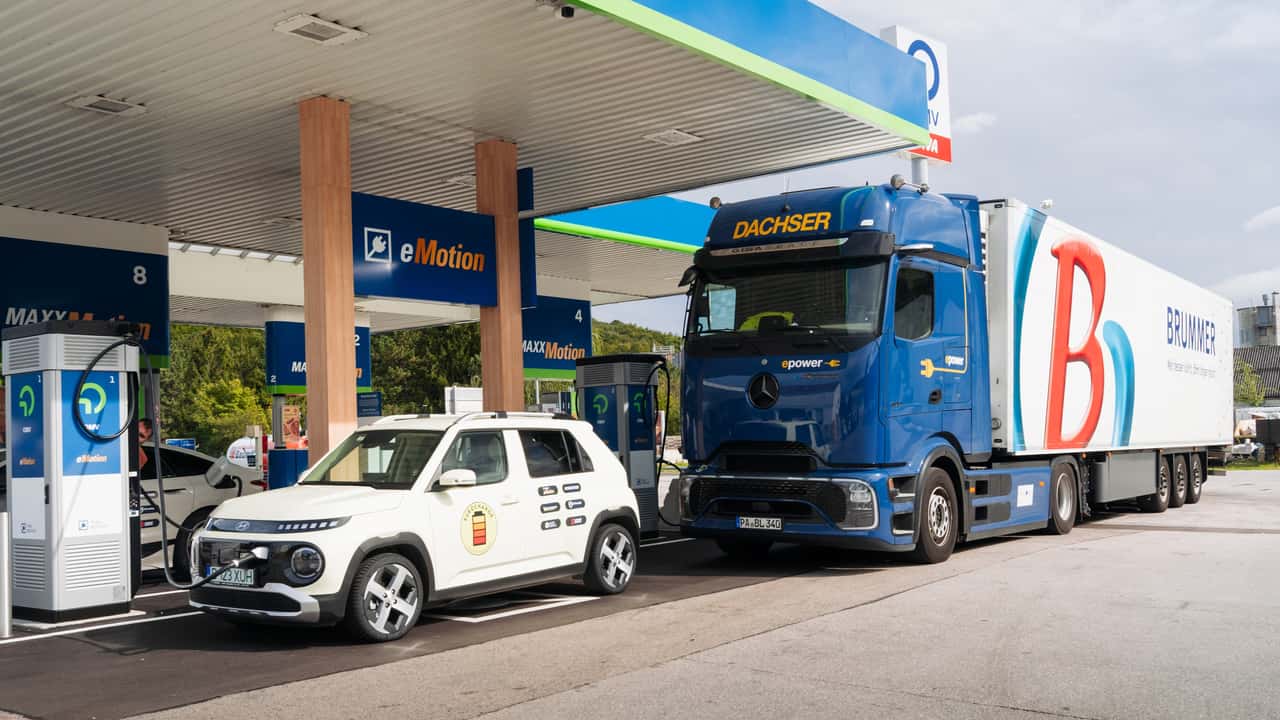
Electric vehicles (EVs) in Europe now represent a more economical choice for consumers compared to gasoline-powered cars, even when accounting for the costs associated with public charging infrastructure. This shift is driven by a combination of decreasing EV purchase prices and the expanding availability of new EV models across the continent. The analysis indicates that the total cost of ownership for EVs is becoming increasingly competitive, making them an attractive option for a broader segment of the European market. The declining purchase prices for EVs are a critical factor in this evolving economic landscape. As battery technology advances and manufacturing scales up, the upfront cost of acquiring an electric vehicle has seen a notable reduction. This trend is further amplified by the introduction of hundreds of new EV models from various manufacturers, offering consumers a wider array of choices at different price points. This increased competition and product diversity contribute to making EVs more accessible and appealing. Furthermore, the operational costs, particularly the price of electricity for charging, have remained relatively stable or even decreased in some regions, while gasoline prices have experienced volatility and generally trended upwards. While public charging can incur higher costs than home charging, the overall expense of powering an EV over its lifespan remains lower than that of a comparable internal combustion engine vehicle. This is due to the higher energy efficiency of electric powertrains and the often lower per-mile cost of electricity compared to gasoline. The European automotive market has been actively pushing for electrification, supported by government incentives and stricter emissions regulations. These policies have encouraged both manufacturers to invest heavily in EV development and consumers to consider electric alternatives. The growing charging infrastructure, although still a point of consideration for some, is also expanding, mitigating range anxiety and making EV ownership more practical for daily use. The convergence of lower purchase prices, reduced operating expenses, and a more robust charging network positions EVs as a financially sound and environmentally conscious choice for European drivers. The continued innovation in battery technology and vehicle design suggests that this cost advantage for EVs is likely to widen in the coming years, further accelerating the transition away from fossil fuel-powered vehicles.
Original source — read the full reporting at the publisher:
Read on InsideEVsGet the weekly AI digest
AI news + new model releases, weekly. Drafted by our agents, reviewed by humans.