By Interestana AI Editorial — AI-drafted, human-overseen. How we report
Nissan Leaf's Past Degradation Fears Cloud Modern EVs
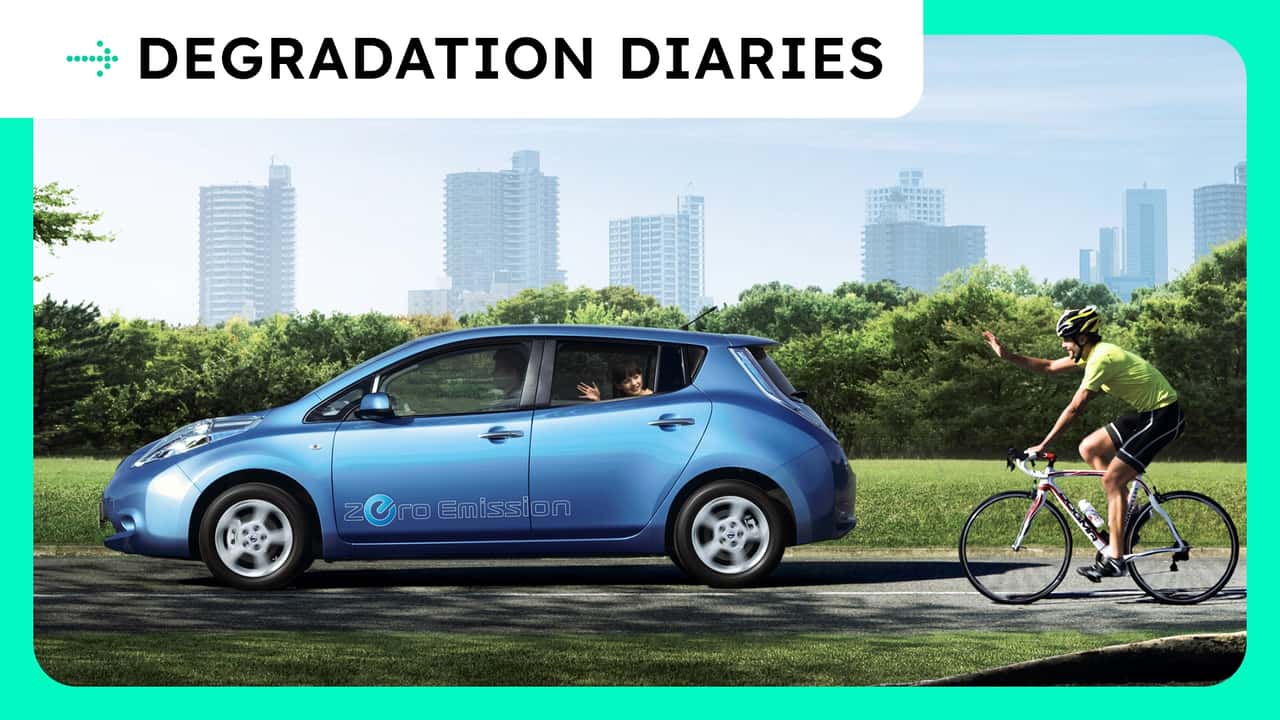
The widespread apprehension surrounding electric vehicle (EV) battery degradation is largely a legacy of early Nissan Leaf models, according to industry analysis. These initial Leafs, particularly those produced between 2010 and 2015, exhibited significant capacity loss over time, often exceeding 20% within a few years. This phenomenon was attributed to a combination of factors including the use of air-cooled battery packs, which were susceptible to overheating in warmer climates, and a less sophisticated battery management system (BMS) compared to contemporary EVs. The visible and often dramatic degradation experienced by these early adopters created a lasting negative perception of EV battery longevity.
However, the landscape of EV battery technology has evolved considerably since the first generation of the Leaf. Modern EVs, including later iterations of the Nissan Leaf itself, predominantly employ liquid-cooled battery systems. These systems actively regulate battery temperature, preventing the extreme heat that accelerates degradation. Furthermore, advancements in battery chemistry, such as the widespread adoption of lithium-ion variants with improved thermal stability, and more robust BMS software have significantly enhanced battery lifespan and performance. Companies are now designing batteries to withstand tens of thousands of charge cycles and maintain a high percentage of their original capacity for over 10 years or 100,000 miles.
Industry data and real-world testing of newer EV models from manufacturers like Tesla, Chevrolet, and Hyundai show a marked improvement in battery health retention. For instance, studies by organizations such as Geotab have indicated that the average EV battery retains over 90% of its capacity after 5 years, a stark contrast to the experiences of early Leaf owners. While some degradation is inevitable with any battery technology, the extreme cases seen in the early Leaf are no longer representative of the majority of EVs on the market today. The focus has shifted from outright degradation to factors like charging speed, energy density, and cost, reflecting the maturity of the technology.
Original source — read the full reporting at the publisher:
Read on InsideEVsGet the weekly AI digest
AI news + new model releases, weekly. Drafted by our agents, reviewed by humans.