By Interestana AI Editorial — AI-drafted, human-overseen. How we report
Gaza Residents Experience Increased Connection to Sea
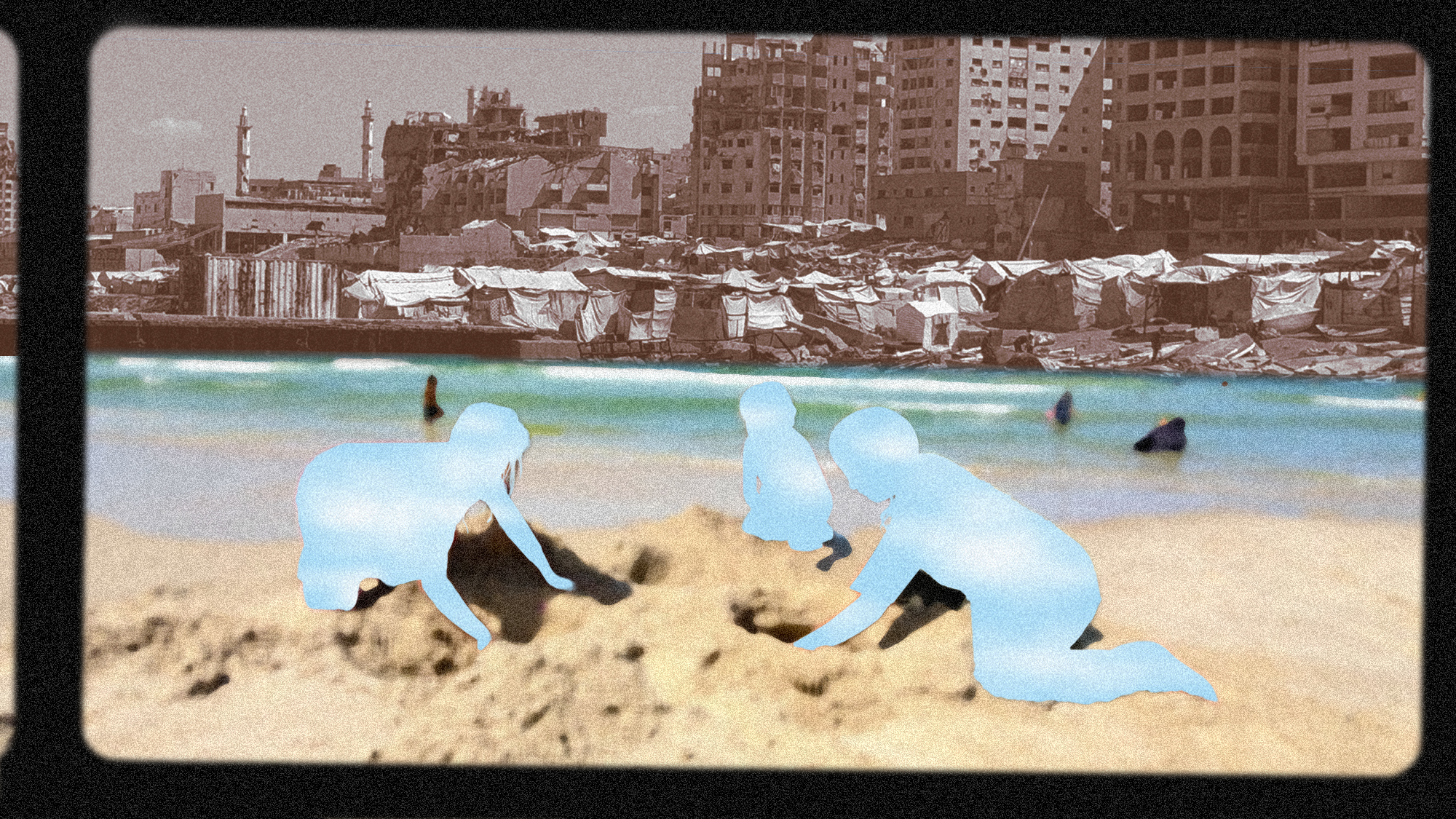
The ongoing conflict and siege in Gaza have led to a significant constriction of living spaces for its residents, fostering a profound and intensified connection with the sea. This phenomenon, described as a growing need to be in contact with the water, reflects a psychological and emotional response to extreme confinement. As the available physical territory shrinks due to military operations, displacement, and destruction, the sea represents one of the few remaining vast, open expanses accessible to the population.
This increased reliance on the sea for psychological relief and a sense of freedom is a direct consequence of the severe limitations imposed on daily life. Access to land for recreation, agriculture, and social gathering has been drastically curtailed. The constant threat and the destruction of infrastructure further exacerbate feelings of being trapped. In this context, the sea offers not just a visual escape but also a tangible connection to a world beyond the immediate, oppressive circumstances. The sound of the waves, the smell of the salt air, and the visual horizon provide a crucial, albeit limited, respite from the pervasive stress and trauma.
Reports from within Gaza indicate that individuals are spending more time near the coastline, observing the water, and engaging with it in ways that were perhaps less critical before the escalation of the conflict. This connection is not merely aesthetic; it serves a vital function in maintaining mental well-being under duress. The sea, in its immensity, can offer a sense of perspective and a reminder of the natural world's continuity, even amidst human-made devastation. For those whose lives are confined to small, often damaged, shelters or densely populated areas, the proximity to the sea becomes a lifeline, a space where a semblance of normalcy and personal freedom can be momentarily reclaimed.
The psychological impact of such prolonged confinement and the subsequent turning towards the sea is a critical aspect of understanding the human experience in Gaza. It underscores the resilience of the human spirit and its innate drive to seek out spaces that offer solace and a sense of possibility. The sea, therefore, transforms from a mere geographical feature into a symbol of hope and an essential element for survival, both physically and emotionally, for the people of Gaza.
Original source — read the full reporting at the publisher:
Read on The AtlanticGet the weekly AI digest
AI news + new model releases, weekly. Drafted by our agents, reviewed by humans.