By Interestana AI Editorial — AI-drafted, human-overseen. How we report
Ferrari EV Launch Met Criticism, Then Saw Strong Buyer Demand
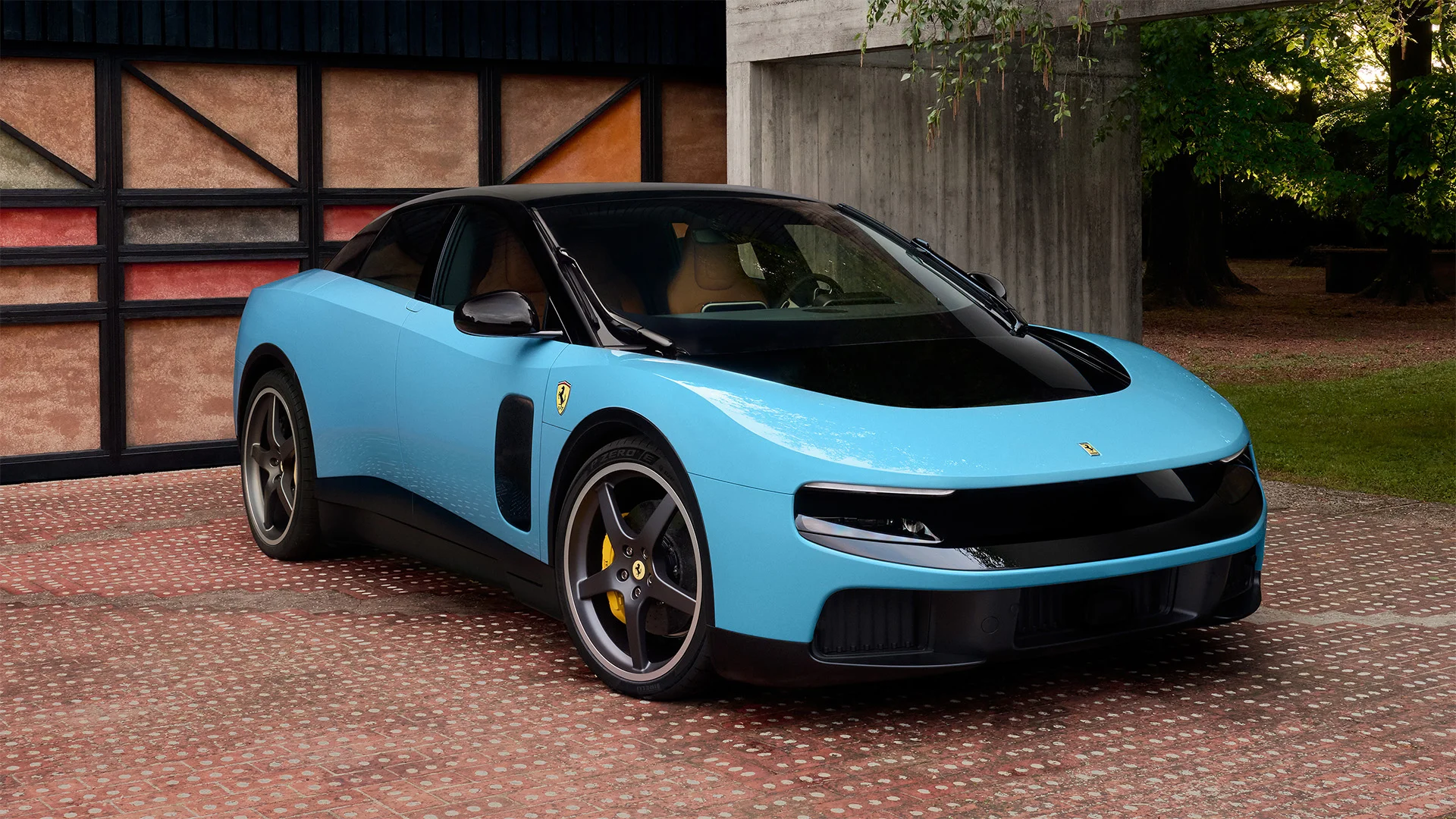
Ferrari's highly anticipated first all-electric vehicle (EV) encountered a wave of criticism and skepticism following its initial unveiling, with many questioning the brand's departure from its traditional internal combustion engine (ICE) heritage. This backlash stemmed from a perceived conflict between Ferrari's long-standing identity as a purveyor of high-performance, sonorous V8 and V12 engines and the silent, emission-free nature of electric propulsion. Critics voiced concerns that an electric Ferrari would lose the visceral auditory experience and the raw mechanical feel that have defined the marque for decades, potentially alienating its core enthusiast base and diluting its brand essence.
However, despite the vocal criticism from automotive journalists, industry analysts, and a segment of the brand's loyal following, the market response has indicated a strong underlying demand for the new EV. Reports suggest that initial production slots for the electric Ferrari have been met with overwhelming interest from buyers, with many of the first allocation reportedly sold out. This rapid uptake by customers appears to validate Ferrari's strategic decision to embrace electrification, even as it navigates the complex challenge of integrating this new technology with its established performance and luxury credentials. The company's leadership has emphasized that the EV will still deliver the exhilarating performance and driving dynamics expected of a Ferrari, aiming to bridge the gap between tradition and innovation.
The successful initial sales demonstrate that while public discourse and expert opinions can be critical, the ultimate arbiter of success for a luxury automotive brand often lies with its discerning clientele. Ferrari's strategy seems to be predicated on the idea that while not everyone will approve of their choices, they can still capture the attention and loyalty of the "right people" – those who value the brand's prestige, performance, and exclusivity, regardless of the powertrain. This approach suggests a calculated risk by Ferrari, betting that its brand equity and the desirability of its products can transcend traditional powertrain preferences. The company's ability to generate such strong initial demand for its first EV, even amidst widespread debate, highlights the potent allure of the Ferrari nameplate and its capacity to adapt to evolving automotive trends while retaining its core appeal.
This situation underscores a broader trend in the luxury automotive sector, where established brands are increasingly exploring electrification. While some brands have faced similar criticisms, others have found that their premium positioning and technological innovation can attract a new generation of buyers or satisfy existing ones with a different, albeit silent, performance experience. Ferrari's move into the EV space is a significant step, and its initial sales figures suggest that the brand's loyal customers are ready to embrace this new era, proving that innovation and brand legacy can coexist and even thrive together in the competitive landscape of high-performance vehicles.
Original source — read the full reporting at the publisher:
Read on Inc.Get the weekly AI digest
AI news + new model releases, weekly. Drafted by our agents, reviewed by humans.