By Interestana AI Editorial — AI-drafted, human-overseen. How we report
Trump Administration Explains Sanctions Ineffectiveness on Iran
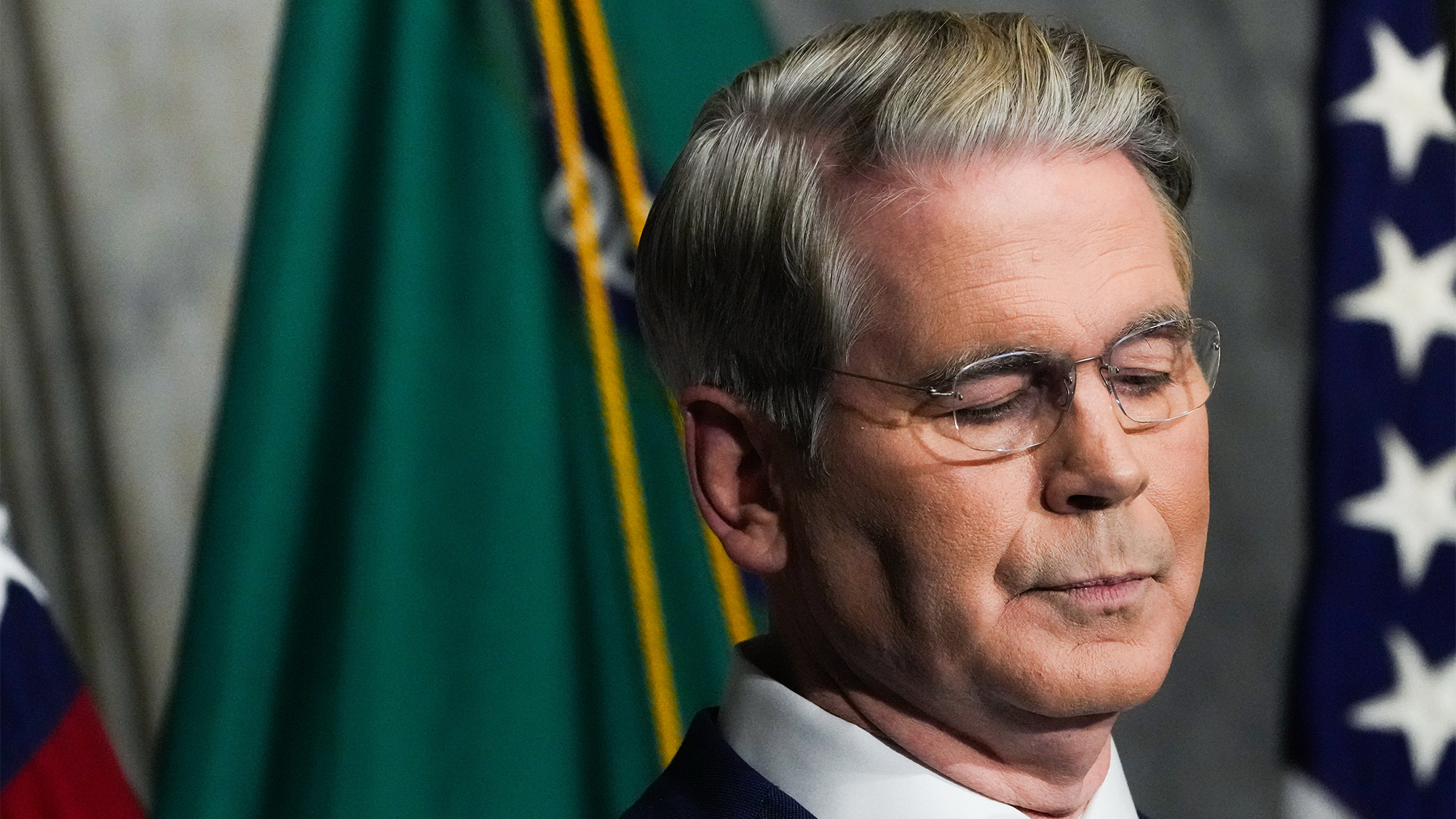
The Trump administration has articulated its perspective on why sanctions imposed on Iran have proven ineffective, offering a detailed explanation that delves into the economic and geopolitical dynamics at play. This explanation, provided by administration officials, aims to clarify the rationale behind the limited impact of these punitive measures on Tehran's behavior and economic stability. The core of the administration's argument centers on Iran's ability to circumvent sanctions through various illicit channels and the resilience of its domestic economy, which has adapted to prolonged periods of international pressure. Officials pointed to Iran's strategic use of non-traditional trade routes and the role of third-party intermediaries in facilitating economic activities that bypass official financial systems. Furthermore, the administration acknowledged that certain global economic conditions and the demand for Iranian oil and petrochemical products in specific markets have also contributed to the sanctions' diminished efficacy. The explanation highlights a complex interplay of factors, including the global energy market's volatility and the strategic importance of Iran's resources, which have allowed the country to maintain a degree of economic viability despite significant international restrictions. The administration's assessment suggests that a multifaceted approach, potentially involving diplomatic engagement alongside economic pressure, might be necessary to achieve desired policy outcomes with Iran. This perspective contrasts with the general expectation that comprehensive sanctions should cripple a nation's economy and force policy concessions. The administration's candid assessment underscores the challenges inherent in utilizing economic sanctions as a primary tool of foreign policy, particularly against nations with established geopolitical significance and adaptable economic structures. The detailed explanation serves as a retrospective analysis of the effectiveness of the "maximum pressure" campaign, offering insights into the limitations of economic statecraft in achieving specific foreign policy objectives. It also implicitly suggests a need for recalibration of strategies when dealing with countries that have demonstrated a capacity to withstand and adapt to sustained economic coercion. The administration's statement did not propose specific alternative strategies but rather focused on explaining the observed outcomes of the existing sanctions regime. This explanation is intended to inform future policy discussions and analyses regarding the use of sanctions in international relations, particularly in the context of the Middle East.
Original source — read the full reporting at the publisher:
Read on The AtlanticGet the weekly AI digest
AI news + new model releases, weekly. Drafted by our agents, reviewed by humans.