By Interestana AI Editorial — AI-drafted, human-overseen. How we report
Even Americans earning more than $155,000 now call themselves ‘working class’—a sign of how far the affordability crisis has spread
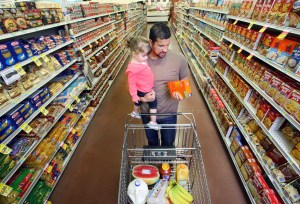
A significant shift in self-perception regarding economic class is underway in the United States, with a January 2026 Pew Research Center analysis revealing that 60% of American adults now identify as "working class." This figure represents a notable increase from previous years and indicates that the term's definition has broadened considerably, now encompassing millions of individuals who earn substantial incomes. Specifically, half of all college graduates and a considerable segment of upper-income adults—defined as those earning over $155,600 annually—now align themselves with the "working class." This income threshold, which would have placed individuals firmly in the upper middle class in the early 2000s, highlights the pervasive nature of current economic pressures. The "working class" label, historically associated with low-income earners, individuals without four-year college degrees, and blue-collar laborers, has evidently expanded to include those experiencing financial strains previously unrecognized in higher income brackets.
The 60% figure marks a 6-point increase from Pew's 2024 study, which found 54% of Americans identified with the term. Researchers emphasize that this upward trend is consistent across a wide array of demographic, socioeconomic, and political groups. The primary driver behind this widespread feeling of economic precarity is attributed to persistent inflation, which continues to erode the purchasing power of American paychecks. Despite nominal wage growth, it has consistently failed to keep pace with the rising cost of living, making everyday necessities such as groceries increasingly unaffordable for a broad spectrum of the population. This escalating cost of living has become a central theme in political discourse, particularly as the nation approaches the November midterms. Both major political parties are actively seeking to court the votes of this expanding base of individuals who feel economically challenged, regardless of their income level.
Specific economic events, such as the Iran war, have exacerbated these affordability concerns by sending gasoline and diesel prices to record highs, directly impacting household budgets for middle and high earners alike. The aspiration of achieving traditional markers of the "American Dream," such as homeownership, has become demonstrably more difficult. An Investopedia study underscored this challenge, estimating that the cost of this dream—envisioned as a suburban house, two children, and a car—now stands at $4.4 million. This figure far exceeds the lifetime earnings of most Americans, illustrating the widening gap between aspirations and financial reality. Consequently, even those with substantial incomes are experiencing financial strains that resonate with the struggles historically attributed to the working class, underscoring the pervasive and far-reaching impact of the current affordability crisis on the American psyche and economic landscape.
Original source — read the full reporting at the publisher:
Read on FortuneGet the weekly AI digest
AI news + new model releases, weekly. Drafted by our agents, reviewed by humans.