By Interestana AI Editorial — AI-drafted, human-overseen. How we report
UK Considers Easing EV Rules Amidst Rising Oil Prices and Temperatures
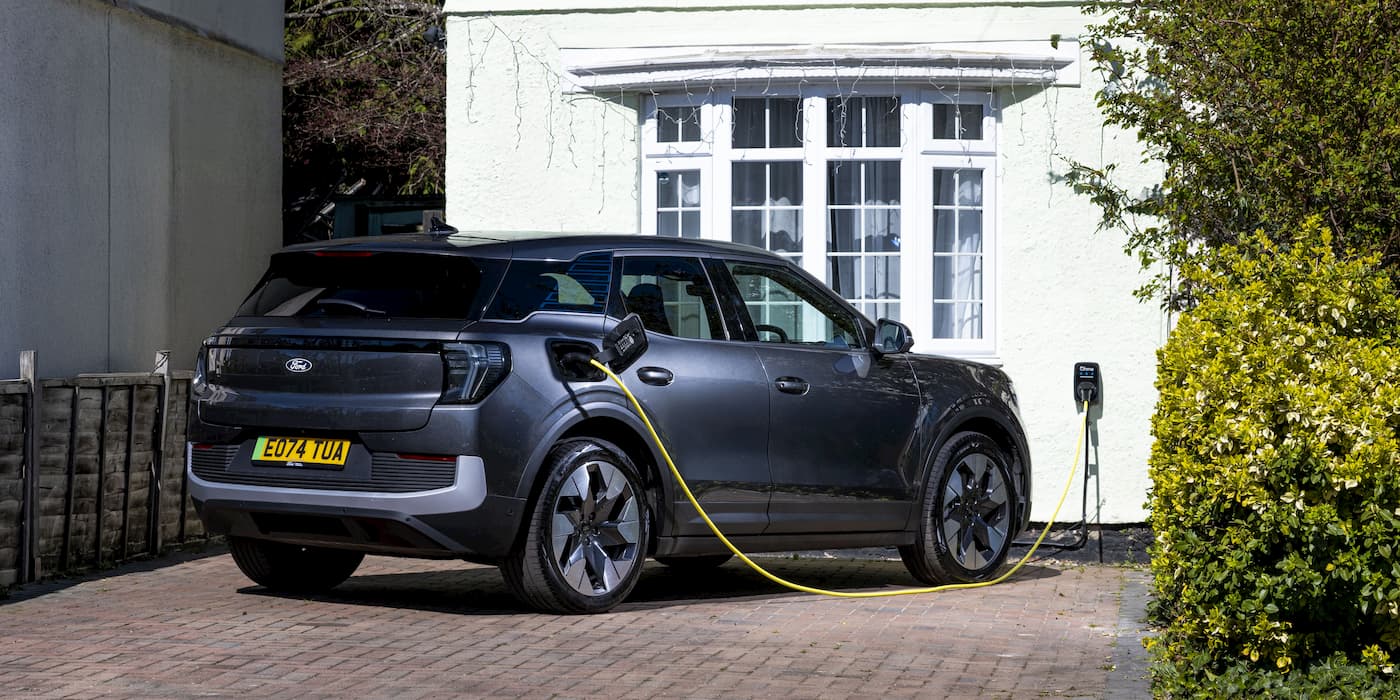
The United Kingdom government is reportedly contemplating a relaxation of its stringent electric vehicle (EV) sales regulations. This consideration comes at a time when global oil prices are elevated, and the planet is experiencing a record-breaking year for high temperatures, which have contributed to widespread wildfires. Concurrently, EV sales within the UK are already demonstrating robust growth, meeting and potentially exceeding the government's existing targets. The proposed shift in policy, if enacted, could involve altering the mandate for manufacturers to sell a certain percentage of EVs each year. This potential policy change has drawn criticism from environmental advocates and industry experts who argue it contradicts the nation's climate commitments and the evident market momentum towards electric mobility.
Official sources indicate that discussions are underway regarding the flexibility of the Zero Emission Vehicle (ZEV) mandate, which requires car manufacturers to sell an increasing proportion of electric vehicles annually. The current trajectory of EV adoption suggests that many manufacturers are on track to meet or surpass the mandated percentages for the coming years without significant government intervention. For instance, data from the Society of Motor Manufacturers and Traders (SMMT) has shown a consistent rise in EV registrations. Despite this positive trend and the backdrop of a volatile energy market, where oil prices have seen significant fluctuations, the government is exploring options to ease the pressure on the automotive sector. This exploration is framed by some within government as a measure to support consumers and manufacturers during economic uncertainty, though critics argue it signals a weakening of resolve on climate action.
The environmental context for this potential policy shift is particularly stark. 2023 was confirmed as the hottest year on record globally, with extreme weather events becoming more frequent and intense. The UK itself has experienced heatwaves and associated environmental impacts, underscoring the urgency of transitioning away from fossil fuel-dependent transportation. Furthermore, the economic rationale for accelerating EV adoption is strengthened by the volatility of oil prices, which directly impact fuel costs for internal combustion engine vehicles. By encouraging a faster shift to EVs, the UK could theoretically reduce its reliance on imported oil and provide consumers with more stable running costs. However, the potential rollback of EV sales targets raises questions about the government's long-term commitment to decarbonizing transport, a key sector in achieving net-zero emissions targets. The debate highlights a tension between immediate economic considerations and the pressing need for climate action.
Environmental groups have voiced strong opposition to any proposed watering down of EV mandates. They argue that such a move would undermine the UK's international climate pledges and send a negative signal to the automotive industry, potentially slowing down investment in EV technology and infrastructure. The current ZEV mandate, established to drive the transition to cleaner transport, is seen by many as a crucial policy lever. Its potential relaxation could be interpreted as a step backward, jeopardizing the progress made in reducing transport emissions. Industry bodies, while acknowledging the challenges faced by some manufacturers, have largely emphasized the importance of maintaining clear, ambitious targets to foster innovation and consumer confidence in the electric vehicle market. The government's consideration of these changes comes as the country aims to phase out the sale of new petrol and diesel cars by 2035, a target that relies heavily on the continued acceleration of EV uptake.
Original source — read the full reporting at the publisher:
Read on ElectrekGet the weekly AI digest
AI news + new model releases, weekly. Drafted by our agents, reviewed by humans.