By Interestana AI Editorial — AI-drafted, human-overseen. How we report
Automakers' Extended EV Reveals Draw Criticism
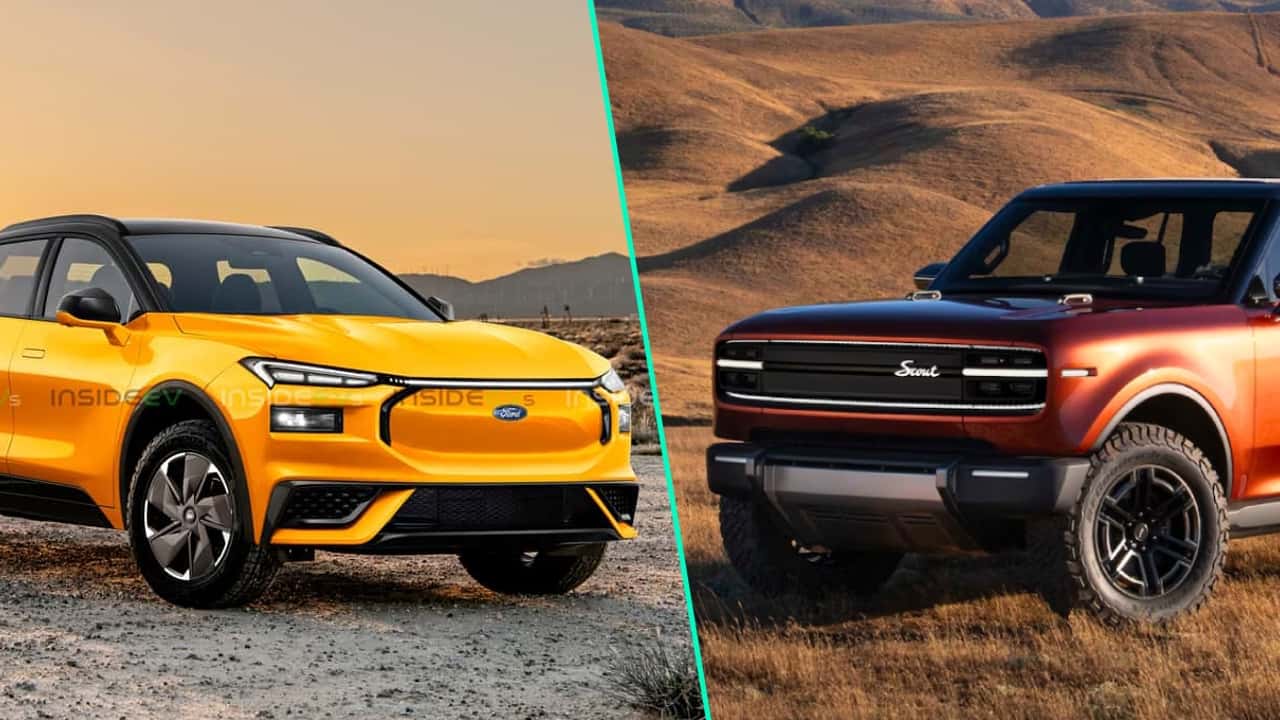
Automakers' practice of announcing electric vehicle (EV) models years in advance of their production is drawing criticism for creating prolonged anticipation periods. This strategy, exemplified by the delayed debut of the Ford Fathom, means consumers often wait an extended duration between a vehicle's initial reveal and its availability for purchase. The Ford Fathom, a project that has experienced significant delays, serves as a case study for this drawn-out product unveiling process. Initially showcased as a potential competitor in the electric pickup truck market, its development timeline has stretched considerably, leading to questions about the efficacy and consumer reception of such protracted announcements.
This extended reveal cycle is not unique to Ford and has become a common tactic across the automotive industry, particularly for new EV models. Companies often leverage these early announcements to gauge market interest, secure pre-orders, and build hype, while simultaneously allowing more time for research, development, and manufacturing adjustments. However, the prolonged wait can lead to consumer fatigue, missed market opportunities if competitors launch similar products sooner, and potential obsolescence of technology by the time the vehicle reaches production. The industry's rationale for this approach often centers on the high costs and complexities associated with developing and launching entirely new vehicle platforms, especially those incorporating cutting-edge electric and autonomous technologies.
The extended lead times also reflect the significant capital investment and intricate supply chain management required for EV production. Automakers must secure battery supplies, retool factories, and navigate evolving regulatory landscapes, all of which can introduce unforeseen delays. The competitive pressure to be seen as an innovator in the rapidly growing EV sector incentivizes early announcements, even if production timelines are uncertain. This creates a delicate balance between generating excitement and managing realistic expectations for consumers eager to adopt new electric mobility solutions.
Critics argue that a more streamlined announcement-to-production pipeline would better serve consumer interests and potentially accelerate EV adoption. The prolonged anticipation associated with models like the Ford Fathom can lead to frustration and a perception that automakers are not adequately prepared for mass production. While the industry maintains that these extended timelines are necessary for delivering robust and technologically advanced vehicles, the ongoing debate highlights a tension between marketing strategies and the practicalities of automotive manufacturing in the electric era. The current trend suggests that despite the criticisms, automakers are likely to continue with their extended reveal strategies due to the perceived benefits in market positioning and product development.
Original source — read the full reporting at the publisher:
Read on InsideEVsGet the weekly AI digest
AI news + new model releases, weekly. Drafted by our agents, reviewed by humans.