By Interestana AI Editorial — AI-drafted, human-overseen. How we report
EV Batteries Exceed Expectations, Retain 90% Capacity
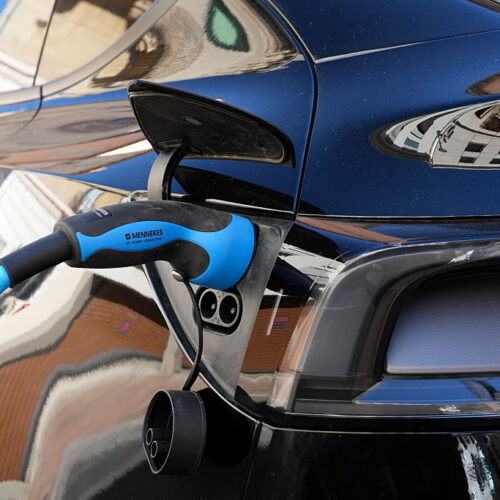
Electric vehicle (EV) batteries are demonstrating greater longevity than previously anticipated by consumers, with a recent study indicating that most used EVs maintain around 90 percent of their original usable battery capacity even after accumulating 150,000 kilometers. This finding addresses a significant concern for potential EV buyers, who often weigh battery durability as a primary factor when considering a transition from internal combustion engine vehicles to electric alternatives. The study's results suggest that the lifespan of EV batteries may exceed the typical anxieties surrounding their long-term performance and replacement costs.
This enhanced durability is particularly relevant given the substantial increase in global EV sales, which has been partly driven by escalating fuel prices. Despite the growing adoption of electric vehicles, the perceived risk of battery degradation and the associated expense of replacement have remained persistent barriers for many consumers. The typical warranty offered by EV manufacturers for their batteries usually extends to eight years or 100,000 miles (approximately 160,000 kilometers). Under these warranty terms, car manufacturers are obligated to replace a battery if its capacity degrades to below 70 percent of its original state. The new study's findings, showing a retention of 90 percent capacity at 150,000 kilometers, suggest that batteries are performing well above this warranty threshold for a considerable period.
The implications of this extended battery life are multifaceted. For consumers, it translates to potentially lower long-term ownership costs, as the need for battery replacement within the vehicle's typical lifespan becomes less probable. This can also influence the resale value of used EVs, making them a more attractive proposition in the pre-owned market. For the automotive industry, it signifies a potential reduction in warranty claims related to battery degradation and reinforces the viability of electric powertrains as a sustainable and practical transportation solution. The study's methodology and specific data points, such as the exact number of vehicles analyzed and the range of battery chemistries included, would provide further context to these encouraging findings. However, the core takeaway is that current EV battery technology appears to be robust and capable of enduring significant usage without substantial loss of performance, thereby alleviating a key apprehension for a broader consumer base.
Original source — read the full reporting at the publisher:
Read on Ars TechnicaGet the weekly AI digest
AI news + new model releases, weekly. Drafted by our agents, reviewed by humans.