EU Advances Crypto Regulation With MiCA Implementation
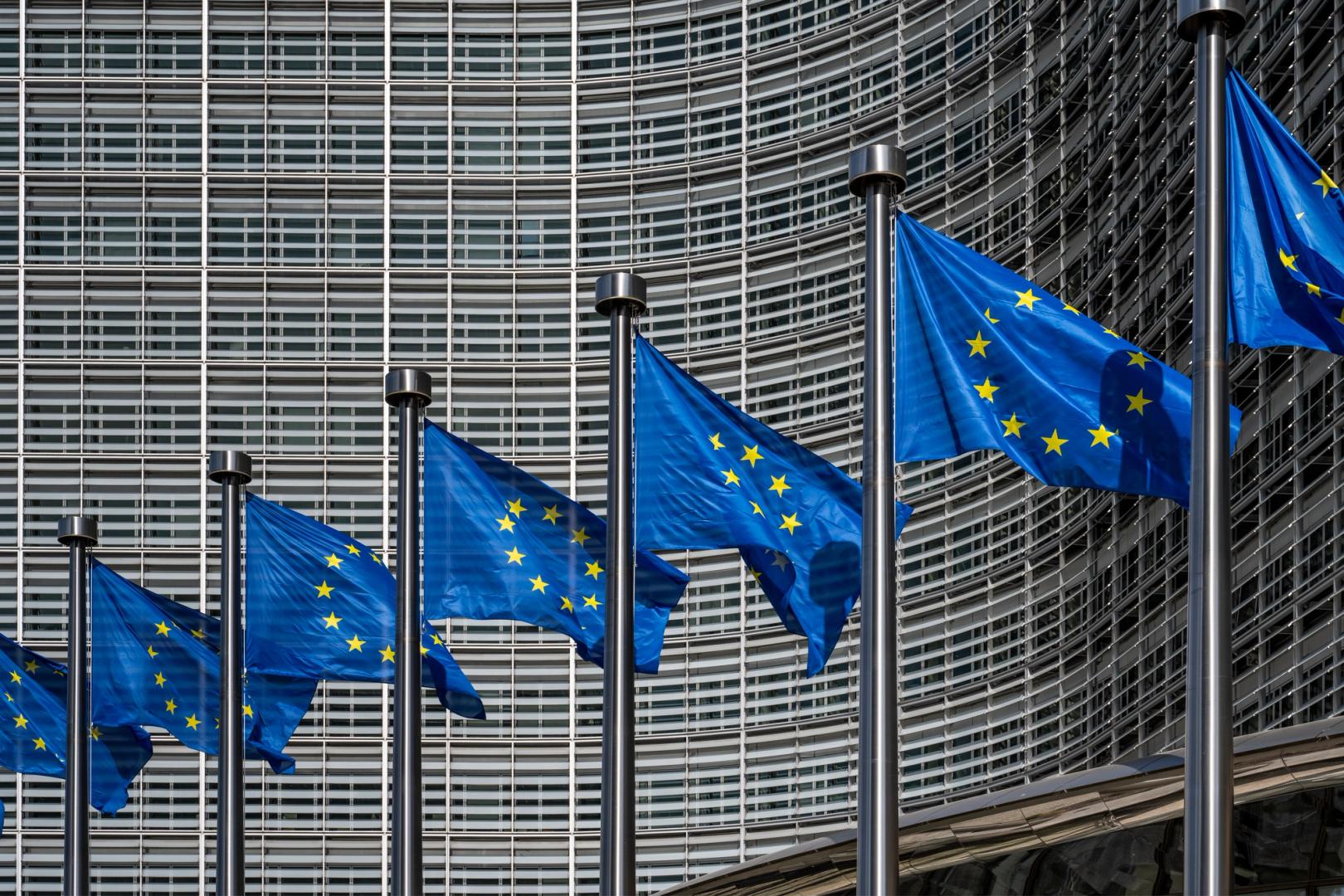
The European Union is advancing the implementation of its Markets in Crypto-Assets (MiCA) regulation, a landmark framework designed to establish a unified approach to crypto-assets across its 27 member states. This initiative, spearheaded by EU lawmakers, aims to provide legal certainty for crypto service providers and investors, fostering innovation while mitigating risks. The regulation addresses various aspects of the crypto market, including the issuance and trading of crypto-assets, as well as the operation of crypto-asset service providers (CASPs).
MiCA introduces a licensing regime for CASPs, requiring them to meet stringent requirements related to capital, governance, and consumer protection. This includes rules on transparency, disclosure, and the prevention of market abuse. For issuers of crypto-assets, the regulation mandates the publication of white papers and adherence to specific disclosure obligations, depending on the type and scale of the offering. Stablecoins, in particular, are subject to enhanced oversight and reserve requirements to ensure their stability and prevent systemic risks.
The implementation of MiCA is a multi-year process, with different provisions coming into effect at various stages. The full application of the regulation is expected by the end of 2024, with key components already in force. This phased approach allows market participants time to adapt to the new rules. The European Securities and Markets Authority (ESMA) and the European Banking Authority (EBA) are playing crucial roles in developing the technical standards and guidelines necessary for MiCA's effective application.
While the EU has been proactive in establishing a comprehensive regulatory framework, the success of MiCA hinges on consistent and effective implementation by national competent authorities within each member state. Challenges remain in ensuring a level playing field and preventing regulatory arbitrage. The EU's ambition is to create a secure and trustworthy environment for crypto-assets, positioning Europe as a global leader in crypto regulation and attracting further investment and development in the sector.
Original source — read the full reporting at the publisher:
Read on CoinDesk