By Interestana AI Editorial — AI-drafted, human-overseen. How we report
Europe Cancels Ariane 6 Rocket Upgrades Amid High Costs
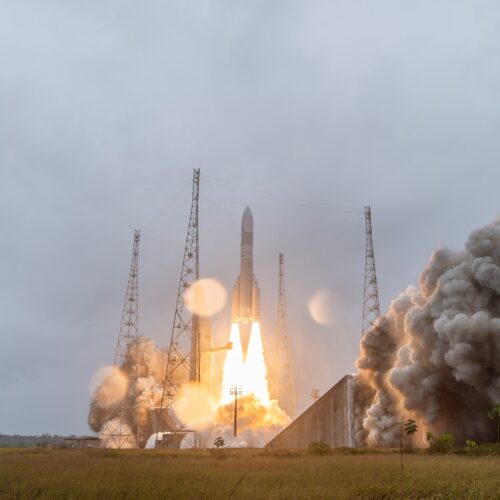
Europe has decided to cancel planned upgrades for its Ariane 6 rocket, a decision driven by the vehicle's substantial operational costs. This move comes despite the rocket's largely successful debut and subsequent performance over the past two years. Since its initial launch, the Ariane 6 has completed eight missions, with all of them successfully reaching their intended orbits. The rocket is designed as a large, expendable launch vehicle with a significant payload capacity, capable of carrying more than 20 metric tons to low-Earth orbit. European rocket scientists and planners are credited with achieving a considerably smoother rollout for the Ariane 6 compared to its American counterparts, namely Blue Origin's New Glenn and United Launch Alliance's Vulcan rockets. Both of these comparable vehicles have experienced notable developmental challenges and setbacks.
Despite the Ariane 6's reliable performance and a less troubled introduction into service, its future trajectory is now uncertain due to its high cost of operation. The decision to halt upgrades suggests a strategic reassessment by European space authorities regarding the rocket's long-term economic viability and competitiveness in the global launch market. The specific financial figures contributing to these high costs have not been publicly detailed, but the implication is that further investment in enhancements would not yield a justifiable return on investment, especially when considering the current market dynamics for launch services. The European Space Agency (ESA) and its industrial partners, including ArianeGroup, are likely evaluating alternative strategies to maintain Europe's independent access to space.
This cancellation of upgrades could signal a shift in Europe's approach to space launch capabilities. It raises questions about the future development of heavy-lift rockets in Europe and whether the focus will move towards more cost-effective solutions or collaborations. The Ariane 6 was intended to be a workhorse for European space missions, including satellite deployments for scientific research, Earth observation, and commercial purposes. Its ability to carry substantial payloads made it a critical asset for national and international space programs. The high costs associated with its operation may make it less attractive for commercial clients who are increasingly seeking lower-cost launch options from competitors, particularly from the United States and emerging players in the market.
The Ariane 6's development itself was a significant undertaking, aimed at replacing the aging Ariane 5 rocket and ensuring Europe's continued autonomy in space launch. The program faced delays and budget challenges during its development phase, but its operational record has been strong. The decision to forgo upgrades, however, suggests that the current operational model is not sustainable in the long run without significant adjustments. This situation highlights the intense competition and economic pressures within the global space launch industry, where innovation and cost efficiency are paramount for success. The future of European heavy-lift launch capabilities may depend on how effectively these cost challenges are addressed and whether new, more economical launch systems are pursued.
Original source — read the full reporting at the publisher:
Read on Ars TechnicaGet the weekly AI digest
AI news + new model releases, weekly. Drafted by our agents, reviewed by humans.