By Interestana AI Editorial — AI-drafted, human-overseen. How we report
Euro-Area Growth Outlook Cut on Middle East Conflict
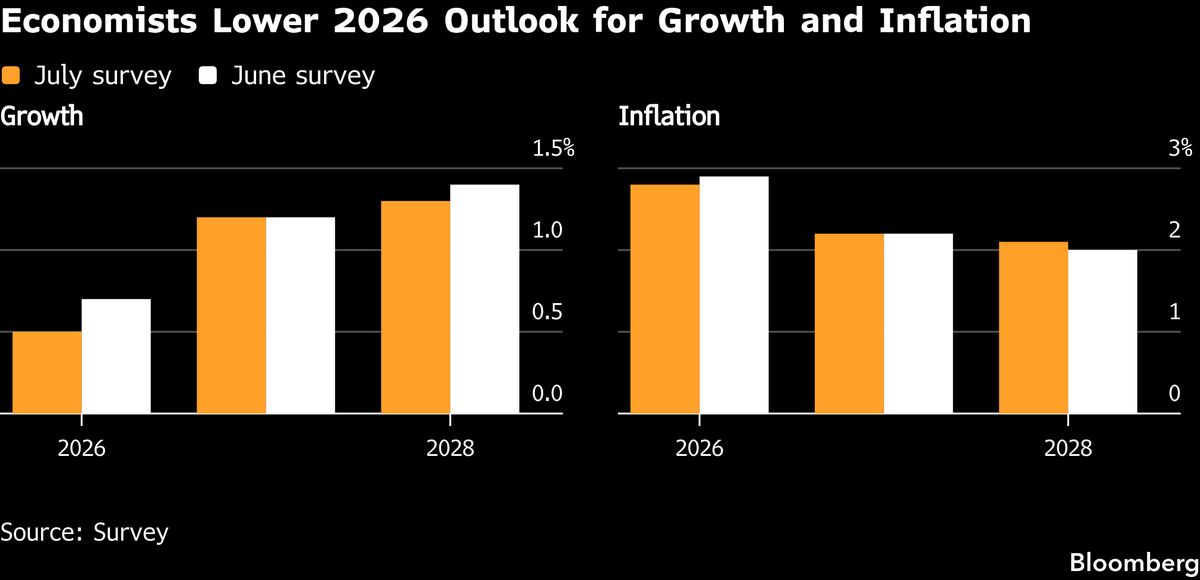
Economists have reduced their growth forecasts for the euro zone for 2024, citing the renewed hostilities in the Middle East as a significant factor weighing on the region's economic outlook. The conflict's potential to disrupt energy supplies and increase inflation is a primary concern for forecasters. This downward revision reflects a growing sentiment that geopolitical instability in the Middle East will have tangible negative consequences for European economies, which are already navigating a complex global economic landscape. The specific impact is expected to manifest through higher energy prices and potential supply chain disruptions, both of which can dampen consumer spending and business investment. Analysts are closely monitoring the situation for further developments that could necessitate additional adjustments to economic projections. The International Monetary Fund (IMF) previously projected a 0.9% growth rate for the euro area in 2024, a figure that may now be subject to revision in light of these new geopolitical risks. The European Central Bank (ECB) has also expressed concerns about the inflationary pressures that could arise from escalating tensions in the Middle East, potentially complicating its monetary policy decisions. The full extent of the economic fallout will likely become clearer in the coming months as the duration and intensity of the conflict become more defined. However, the immediate reaction from economists indicates a cautious approach to forecasting the euro zone's economic performance for the remainder of the year. The interconnectedness of global energy markets means that events in the Middle East can have far-reaching effects, and the euro area, with its reliance on imported energy, is particularly susceptible to these shocks. Further analysis will be required to quantify the precise impact on key economic indicators such as GDP, inflation, and unemployment.
Original source — read the full reporting at the publisher:
Read on Bloomberg MarketsGet the weekly AI digest
AI news + new model releases, weekly. Drafted by our agents, reviewed by humans.