By Interestana AI Editorial — AI-drafted, human-overseen. How we report
Audi Sport Seeks to Save 2.5-Liter Engine from Euro 7
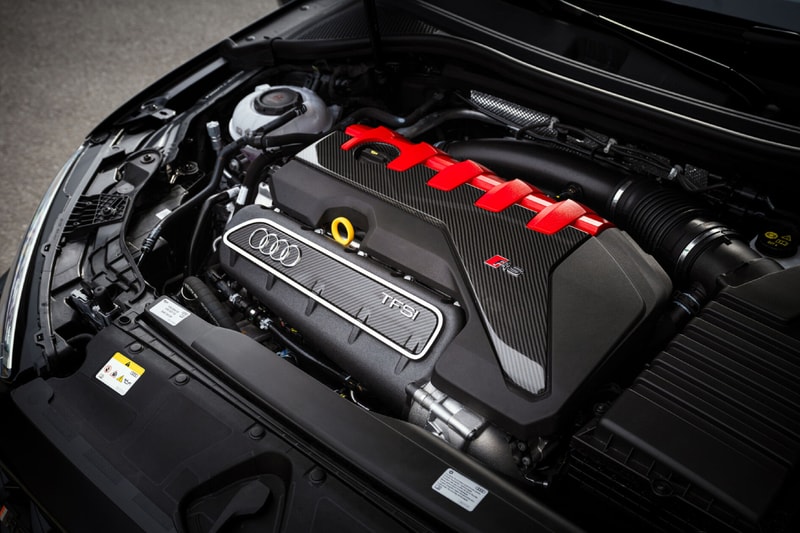
Audi Sport is actively investigating methods to preserve its renowned 2.5-liter turbocharged five-cylinder engine for a subsequent generation, facing significant challenges posed by the forthcoming Euro 7 emissions regulations. These stringent European standards, set to be implemented in late 2026, necessitate substantial and costly hardware modifications, making their justification for a niche, low-volume engine particularly difficult. The distinctive sound and performance of this inline-five powerplant, a hallmark of Audi for approximately fifty years, are at risk of being silenced.
Despite the recent release of the Audi RS3 Competition Limited, which some perceived as a potential farewell to the iconic motor, Audi Sport's CEO, Rolf Michl, has indicated that internal assessments are ongoing to ensure its continued production. The brand acknowledges the historical significance of this engine and its unique acoustic signature. Michl emphasized that the compact RS model serves as a crucial emotional gateway into Audi's high-performance vehicle lineup, underscoring the importance of retaining this engine for brand identity and customer engagement.
The primary obstacle to the engine's survival is the impending enforcement of Euro 7 emissions standards. Compliance with these regulations will require a complete redesign of particulate filters, the integration of specialized sensors, and the implementation of advanced catalytic converters. Audi's CEO, Gernot Döllner, has previously expressed reservations regarding the financial feasibility of such extensive development investments. The current 2.5-liter turbocharged engine is produced in limited quantities and exclusively powers two low-volume models: the Audi RS3 and the Cupra Formentor VZ5. The challenge of recouping the substantial development and compliance costs from such a limited market segment presents a significant corporate hurdle.
Automakers are navigating a complex landscape where they must balance preserving automotive heritage with the increasing demands of an electrified and heavily regulated market. To ensure the longevity of the inline-five engine, Audi must find a compelling financial rationale for the required expenditures. One potential technical avenue being explored is the hybridization of the drivetrain. This approach has previously been employed to extend the operational life of other engines, such as the V6 in the RS5, although it inherently introduces additional weight and complexity to the vehicle's architecture. A more favored solution among enthusiasts would involve achieving Euro 7 compliance through advancements in internal combustion technology without significant hybridization, though the feasibility and cost-effectiveness of this remain uncertain.
Original source — read the full reporting at the publisher:
Read on HypebeastGet the weekly AI digest
AI news + new model releases, weekly. Drafted by our agents, reviewed by humans.