By Interestana AI Editorial — AI-drafted, human-overseen. How we report
EU Bans Belarusians From Owning Crypto Firms
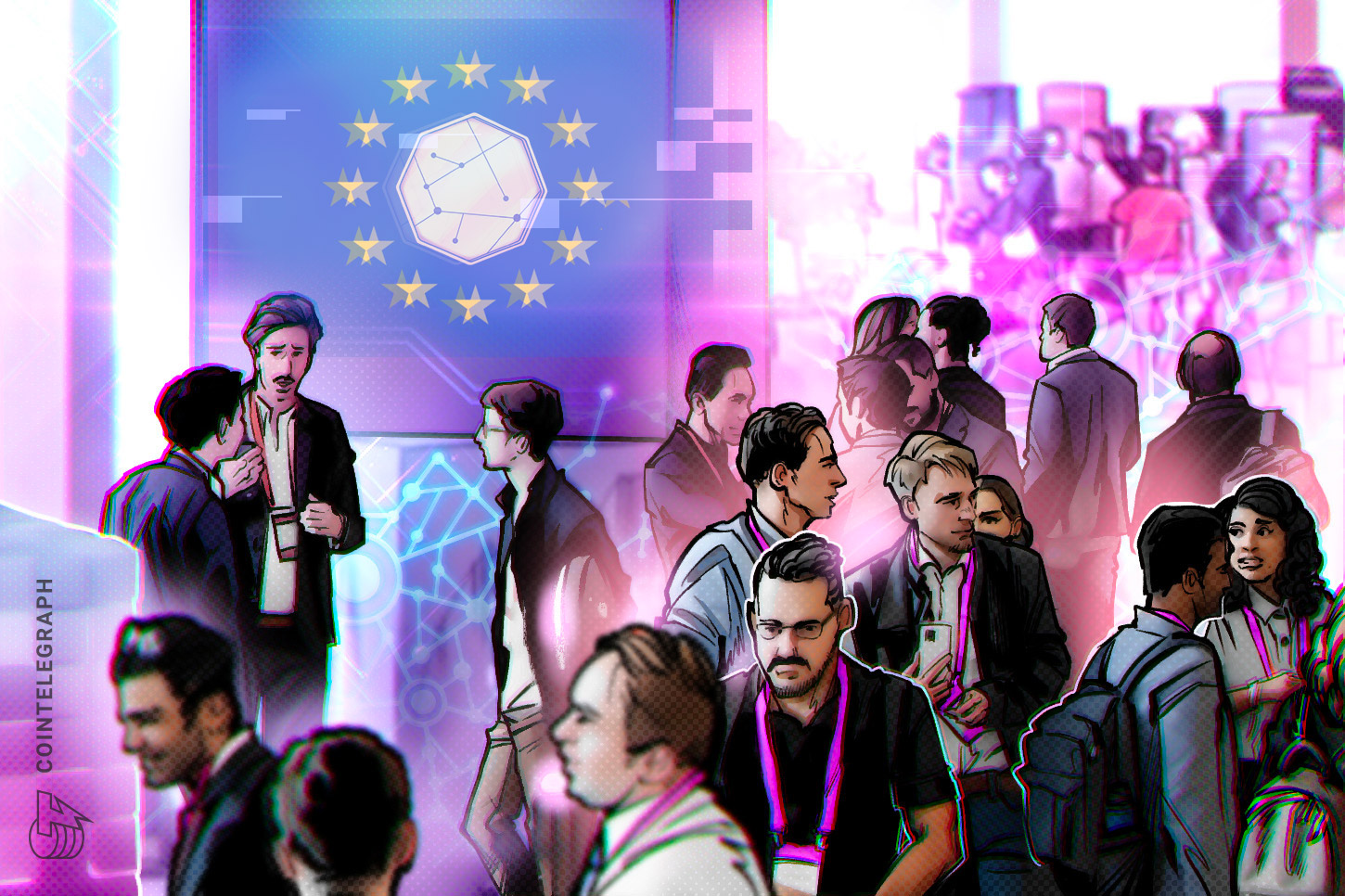
The European Union will implement a ban on Belarusian nationals and residents from owning, controlling, or managing cryptocurrency exchanges and other regulated firms. This prohibition is set to take effect on August 25, impacting entities operating under the Markets in Crypto-Assets (MiCA) regulation. The expanded sanctions aim to further isolate Belarus due to its role in supporting Russia's invasion of Ukraine.
The new measures extend previous restrictions, which primarily targeted individuals and entities directly involved in the conflict. By broadening the scope to include all MiCA-regulated crypto service providers, the EU seeks to close potential loopholes that could be exploited for financial transactions. This move signifies a significant tightening of financial sanctions against Belarus, reflecting the bloc's commitment to increasing pressure on the Lukashenko regime.
The MiCA regulation, which came into full effect in June 2024, establishes a comprehensive framework for the supervision of crypto-asset service providers within the EU. It aims to harmonize rules across member states, enhance investor protection, and ensure market integrity. The inclusion of Belarusian ownership restrictions within this framework underscores the EU's intent to integrate sanctions policy with its broader digital asset regulatory agenda.
This decision follows a series of sanctions imposed by the EU and its allies against Belarus and Russia. The EU has previously targeted Belarusian state-owned enterprises, individuals, and sectors deemed crucial to the regime's economic stability. The latest action against crypto service providers highlights the evolving nature of sanctions and their application to emerging financial technologies.
Original source — read the full reporting at the publisher:
Read on CoinTelegraphGet the weekly AI digest
AI news + new model releases, weekly. Drafted by our agents, reviewed by humans.