By Interestana AI Editorial — AI-drafted, human-overseen. How we report
EU Sanctions on Russia Stalemate Ahead of Key Talks
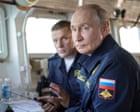
The European Union is currently deadlocked on proposed changes to its sanctions regime against Russia, with the current measures set to expire at the end of the day. These sanctions target nearly 3,000 entities accused of supporting the ongoing war in Ukraine. The impasse comes as key diplomatic talks are scheduled, including discussions related to Ukraine and Greenland.
In recent developments, French President Emmanuel Macron and Ukrainian President Volodymyr Zelenskyy held discussions regarding Russia's persistent strikes on Ukraine's energy infrastructure. Macron stated that these attacks "threaten to deprive millions of families of heating and electricity." He affirmed France's commitment to stand by Ukraine through the winter, with the G7 Energy also set to be mobilized in support. France is bolstering Ukraine's air defense capabilities through contracts for radar deliveries and interceptor supplies. Macron also discussed this support with President Trump, alongside the prospect of an "energy truce" and a moratorium in the Black Sea, initiatives that France supports and which are considered key issues for resuming negotiations aimed at achieving a just and lasting peace.
The potential lapse of sanctions raises concerns about the continued pressure on Russia to cease its military actions in Ukraine. The sanctions regime, which has been a cornerstone of the EU's response to the conflict, involves a wide range of measures aimed at isolating Russia economically and politically. The specific entities targeted are those deemed to be directly or indirectly contributing to the war effort, including individuals, companies, and state-owned enterprises. The failure to agree on an extension or modification of these sanctions could signal a weakening of the EU's unified stance against Russian aggression.
This deadlock occurs at a critical juncture, with upcoming negotiations that are intended to address the broader geopolitical implications of the conflict. The discussions involving Ukraine and Greenland highlight the interconnectedness of various international issues and the challenges in achieving consensus among member states on complex foreign policy matters. The outcome of the EU's internal deliberations on sanctions will likely have significant repercussions for diplomatic efforts and the ongoing support for Ukraine.
Original source — read the full reporting at the publisher:
Read on The Guardian WorldGet the weekly AI digest
AI news + new model releases, weekly. Drafted by our agents, reviewed by humans.