By Interestana AI Editorial — AI-drafted, human-overseen. How we report
Clarity Act Could Boost Ether, Solana, XRP
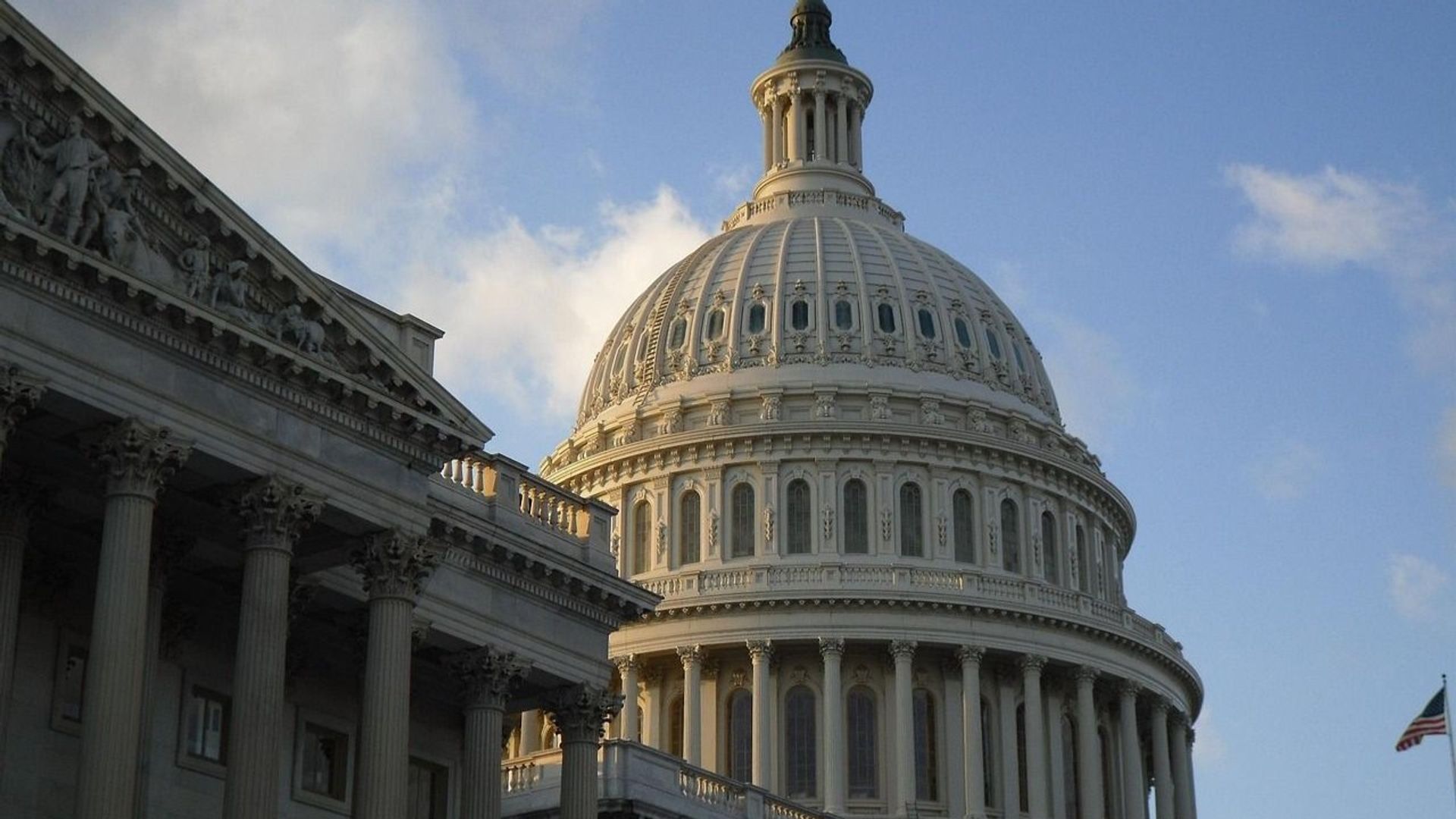
The U.S. House of Representatives is considering the Clarity Act, a piece of legislation that could profoundly influence the market trajectory of several major cryptocurrencies, including Ether (ETH), Solana (SOL), and XRP (XRP). This proposed bill, if it successfully navigates the legislative process and becomes law, is anticipated by market analysts to provide a more defined regulatory framework for digital assets within the United States. Such clarity is often viewed as a catalyst for increased institutional investment and broader market acceptance, which could, in turn, drive up the valuations of cryptocurrencies that are perceived to benefit from its provisions.
Specifically, the Clarity Act aims to establish clearer guidelines regarding the classification and regulation of digital assets. While the exact implications are still being debated, the general sentiment among observers is that cryptocurrencies with established use cases and significant market capitalization, such as Ether, Solana, and XRP, are better positioned to adapt to and thrive under a more structured regulatory environment. Ether, as the native cryptocurrency of the Ethereum blockchain, powers a vast ecosystem of decentralized applications (dApps) and smart contracts, making its regulatory status crucial for the broader DeFi and NFT sectors. Solana, known for its high transaction throughput and low fees, has also garnered substantial developer interest and investment. XRP, associated with Ripple Labs, has been at the center of a prolonged legal battle with the U.S. Securities and Exchange Commission (SEC), and a favorable outcome or clear regulatory path stemming from the Clarity Act could significantly de-risk its investment profile.
The potential positive impact on these specific cryptocurrencies stems from the reduction of regulatory uncertainty. For years, the digital asset industry has operated in a gray area, with different agencies asserting varying degrees of jurisdiction and applying existing securities laws in ways that have led to confusion and legal challenges. The Clarity Act is intended to address this by providing a more predictable legal landscape. This predictability is vital for attracting traditional financial institutions, which often require clear regulatory assurances before committing significant capital to new asset classes. If the bill passes, it could signal a more accommodating stance from U.S. policymakers towards the digital asset industry, fostering innovation and growth.
Market participants are closely watching the progress of the Clarity Act, with many anticipating that a positive legislative development could lead to a surge in demand for Ether, Solana, and XRP. The rationale is that clearer rules would reduce the perceived risk associated with investing in these assets, making them more attractive to a wider range of investors, including large institutional funds and asset managers. The specific provisions of the bill, such as how it defines and categorizes different types of digital assets and the enforcement powers granted to regulatory bodies, will be critical in determining the precise extent of its influence. However, the overarching expectation is that the bill's passage would represent a significant step towards mainstream adoption and integration of cryptocurrencies into the global financial system, with Ether, Solana, and XRP being primary beneficiaries due to their established market presence and ongoing development.
Original source — read the full reporting at the publisher:
Read on CoinDeskGet the weekly AI digest
AI news + new model releases, weekly. Drafted by our agents, reviewed by humans.