By Interestana AI Editorial — AI-drafted, human-overseen. How we report
Xiaomi EREVs Offer EV-Like Maintenance for Three Years
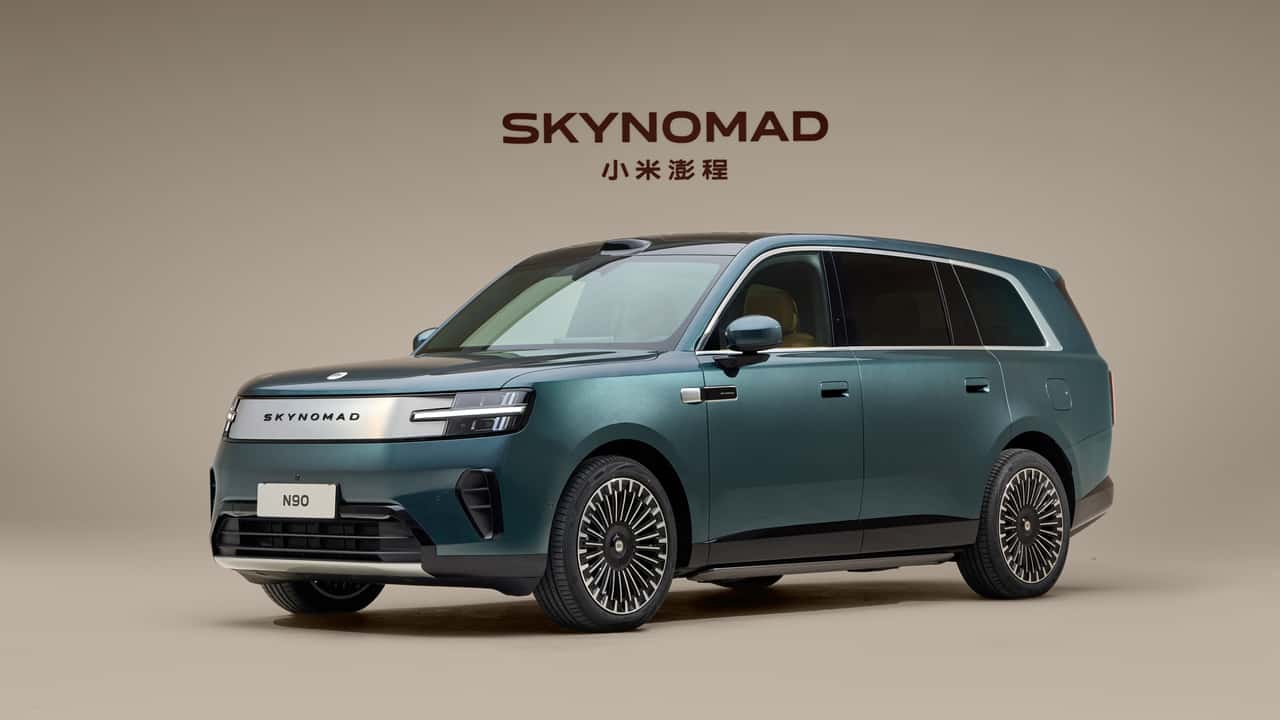
Xiaomi's latest extended-range electric vehicles (EREVs), the SkyNomad N70 and N90, are engineered to offer a maintenance experience remarkably similar to that of fully electric vehicles (EVs), with a standout feature being their extended oil change intervals. These new models are designed to require an oil change only once every three years, a significant reduction compared to the typical maintenance schedules for conventional internal combustion engine (ICE) vehicles and even many hybrid models. This extended interval aims to alleviate a common concern for potential EREV buyers: the perceived complexity and cost associated with maintaining a powertrain that includes both an electric motor and a gasoline engine.
The SkyNomad N70 and N90 are positioned within the EREV segment, which combines the benefits of electric driving for daily commutes with the range flexibility of a gasoline engine for longer journeys. Unlike traditional hybrids, EREVs typically use their gasoline engine solely as a generator to charge the battery, rather than directly powering the wheels. This design can lead to improved efficiency and a quieter driving experience, akin to that of an EV. By extending the oil change interval to three years, Xiaomi is directly addressing a key differentiator that has historically favored pure EVs in terms of ownership simplicity and reduced running costs.
This development signals a strategic move by Xiaomi, a company known for its consumer electronics and increasingly its automotive ventures, to make EREVs more appealing to a broader market. The automotive industry is witnessing a significant shift towards electrification, and manufacturers are exploring various powertrain architectures to meet diverse consumer needs and regulatory pressures. EREVs represent a transitional technology for many consumers who may not yet be ready for the full commitment to a pure EV, whether due to range anxiety or charging infrastructure limitations. By minimizing the maintenance burden, Xiaomi is attempting to bridge this gap and present a compelling alternative that offers both electric driving convenience and long-distance capability without the frequent upkeep typically associated with gasoline-powered components.
The three-year oil change interval is a concrete metric that directly translates into potential cost savings and convenience for owners. While specific details regarding the engine technology and oil specifications that enable this extended service life have not been fully disclosed, the claim itself is a significant marketing point. It suggests advanced engineering in the lubrication system and potentially the use of high-performance synthetic oils designed for longevity. This innovation could set a new benchmark for maintenance expectations within the EREV category, potentially influencing competitors to adopt similar strategies to remain competitive in the evolving automotive landscape. The focus on reducing maintenance aligns with the broader trend of simplifying vehicle ownership and lowering the total cost of operation, making vehicles like the SkyNomad N70 and N90 more attractive propositions for consumers.
Original source — read the full reporting at the publisher:
Read on InsideEVsGet the weekly AI digest
AI news + new model releases, weekly. Drafted by our agents, reviewed by humans.