By Interestana AI Editorial — AI-drafted, human-overseen. How we report
Enid Marx's Tube Fabrics Revolutionized London Underground Design
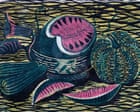
Textile artist Enid Marx's groundbreaking designs for the London Underground in the 1930s transformed the interiors of tube carriages, moving away from the previously drab palette of browns and greys. Her work, commissioned by the London Passenger Transport Board, introduced vibrant patterns to the moquette fabric used for seating, significantly altering the commuter experience. These designs were discontinued in the 1960s but are now the subject of a new exhibition aiming to re-establish her significant contribution to British design history.
Before Marx's intervention, the fabric designs for tube trains were created in-house by the factories producing the moquette, a durable velvet-like material still in use today. These original designs were intentionally muted, intended to camouflage the dirt and wear associated with daily commutes in London. Marx's innovative approach brought a new aesthetic to public transport, demonstrating the potential for art and design to influence everyday environments and public spaces.
While her designs for the London Underground left a lasting cultural imprint, Marx's broader impact on British design is being further explored. The exhibition seeks to bring her contributions back into public consciousness after a period of relative obscurity. Although a proposal for one of her designs to be featured on a postage stamp was reportedly rejected by Queen Elizabeth II, her influence on the visual landscape of London's transport system remains undeniable.
Original source — read the full reporting at the publisher:
Read on The Guardian CultureGet the weekly AI digest
AI news + new model releases, weekly. Drafted by our agents, reviewed by humans.