By Interestana AI Editorial — AI-drafted, human-overseen. How we report
England's Ancient Oak Trees Dying Amid Extreme Heat
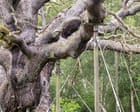
England's ancient oak trees are succumbing to the extreme hot and dry weather conditions experienced this summer, with the Woodland Trust reporting that these venerable trees are struggling to adapt to the rapid pace of climate change. The prolonged heatwaves across Europe have not only impacted crop growth but have also severely affected plant health, forcing many trees to enter an "early autumn" phase by wilting and shedding their leaves prematurely. This phenomenon is particularly concerning for ancient oaks, which are often more vulnerable due to their age and established ecosystems.
The Woodland Trust, a prominent UK conservation charity dedicated to protecting trees and woodland, has highlighted that the oldest and most resilient "survivor" trees are disproportionately affected. These ancient oaks, some of which have stood for centuries, are facing unprecedented stress from drought conditions. The charity's observations indicate that the trees' ability to cope with extended periods of high temperatures and lack of rainfall is severely compromised. This situation poses a significant threat to the biodiversity and historical landscape of England, as these trees are often keystone species supporting a wide array of wildlife and are integral to the cultural heritage of many regions.
Several specific ancient oak trees across England have been identified as suffering from these conditions. Examples include the Crow Leasow oak in Shropshire, the Tea Party oak in Suffolk, the King John oak in Devon, the Enmore oak in Somerset, and the Lydham Manor oak, also in Shropshire. Additionally, Old Knobbley in Essex and Pwllpriddog oak in Carmarthenshire are facing similar challenges. The widespread nature of these impacts underscores the systemic stress placed upon these long-lived trees by current climatic extremes. The trees' inability to adapt quickly enough to the changing climate is a critical concern, suggesting that current environmental conditions are pushing the boundaries of their resilience.
The ongoing drought stress is a direct consequence of the extreme weather patterns linked to climate change. While trees naturally experience seasonal changes, the intensity and duration of the current heat and dryness are beyond what many ancient oaks can withstand. Their extensive root systems, which typically allow them to access water deeper in the soil, are proving insufficient in prolonged drought. The loss of these trees would represent a significant ecological and cultural loss, impacting the habitats they provide for numerous species of insects, birds, and mammals, as well as diminishing the historical character of the English countryside. The Woodland Trust's findings serve as a stark warning about the tangible impacts of climate change on even the most enduring natural landmarks.
Original source — read the full reporting at the publisher:
Read on The Guardian WorldGet the weekly AI digest
AI news + new model releases, weekly. Drafted by our agents, reviewed by humans.