By Interestana AI Editorial — AI-drafted, human-overseen. How we report
Engineers Redesign Recipe Format for Clarity
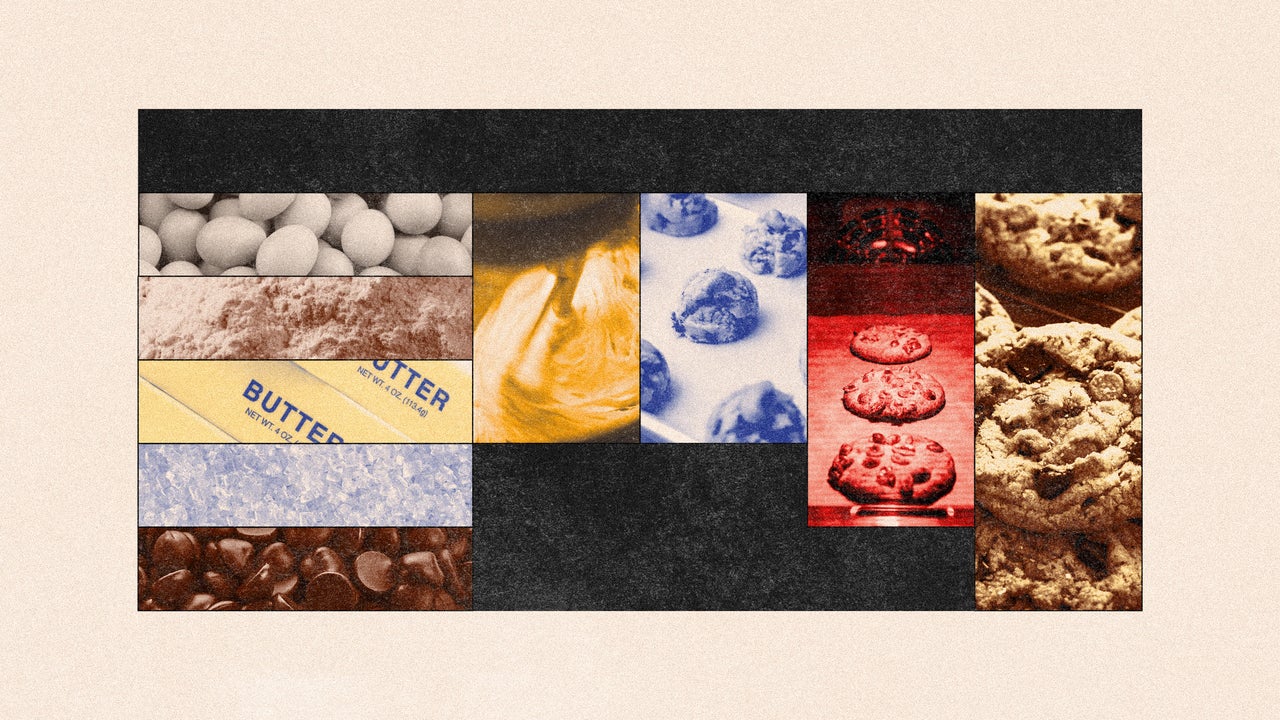
Content designer Juan Buis shared a "killer banana bread" recipe on X (formerly Twitter) on July 29, 2026, which quickly gained viral attention for its innovative and streamlined format. Unlike traditional online recipes that often bury instructions beneath lengthy personal anecdotes and advertisements, Buis's shared recipe utilizes a nested table structure. This visual infographic allows users to follow the recipe from left to right, with ingredients listed in horizontal rows and subsequent actions detailed in vertical columns. When multiple ingredients require the same action, the columns merge, creating a more intuitive and efficient reading experience. For example, "4 oz Unsalted Butter" is paired with the "melt" action, and a subsequent merged column indicates the instruction to "fold it together" for all relevant ingredients.
Buis noted that this improved recipe design is not a recent invention, expressing surprise that it had not been widely adopted sooner. He referenced the original creator of this method, Michael Chu, an engineer who developed and shared his approach to presenting recipes on his website, "Cooking for Engineers," in June 2004. Chu's method employed HTML tables to create a simpler, more visual representation of cooking instructions. This approach was intended for individuals with an "analytical mind" who also enjoy cooking, aiming to make the process of following recipes more straightforward and less frustrating than the typical blog post format.
The frustration Buis's post addresses is a common experience for many home cooks who have encountered online recipes. These recipes often begin with extensive personal stories or background information about the dish, followed by numerous advertisements, before finally reaching the essential ingredient list and cooking steps. The clarity and conciseness of Chu's nested table design, as demonstrated by Buis, offer a significant improvement by prioritizing the practical information needed to prepare a dish. The viral nature of Buis's post suggests a strong public appetite for more accessible and user-friendly recipe formats, potentially signaling a shift away from the lengthy narrative structures that have become prevalent on many food blogs and websites.
Michael Chu's "Cooking for Engineers" website, launched in 2004, aimed to bridge the gap between analytical thinking and culinary practice. By using a structured, table-based format, Chu provided a clear, step-by-step guide that minimized ambiguity. This method breaks down complex recipes into manageable components, making it easier to understand the sequence of actions and the role of each ingredient. The resurgence of interest in this format, over two decades after its inception, highlights the enduring value of clear, data-driven communication in everyday tasks like cooking. The viral spread of Buis's post on X underscores the potential for well-designed information architecture to enhance user experience and solve common digital frustrations.
Original source — read the full reporting at the publisher:
Read on Fast CompanyGet the weekly AI digest
AI news + new model releases, weekly. Drafted by our agents, reviewed by humans.