By Interestana AI Editorial — AI-drafted, human-overseen. How we report
US Energy Secretary: Nuclear Deal With Iran May Not Happen
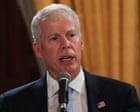
United States Energy Secretary Chris Wright indicated on Sunday that a nuclear agreement with Iran, designed to prevent the nation from developing nuclear weapons, might not be reached. Speaking on ABC's "This Week" program, Wright responded to a question about the possibility of such a deal amidst stalled negotiations and ongoing conflict in the region. He stated, "There may not be a nuclear agreement," suggesting a pessimistic outlook on the diplomatic efforts. The comments come at a time when international concerns over Iran's nuclear program persist, and diplomatic channels appear to be facing significant challenges. The specific date of Wright's remarks was Sunday morning, September 6, 2026, as reported by The Guardian. The context of his statement includes the ongoing "US-Israel war on Iran," a phrase used by The Guardian to describe the broader geopolitical situation. This conflict and regional instability likely contribute to the difficulties in achieving a diplomatic breakthrough on the nuclear issue. The United States has historically sought to prevent Iran from acquiring nuclear weapons, a stance that has been a cornerstone of its foreign policy in the Middle East. Negotiations aimed at achieving this objective have been complex and protracted, involving multiple international actors and facing numerous setbacks. The potential failure to reach an agreement, as suggested by Secretary Wright, could have significant implications for regional security and international non-proliferation efforts. The specific terms of any potential agreement, which would aim to curb Iran's uranium enrichment activities and other pathways to nuclear weapons, have been a major point of contention. The international community, including the United Nations Security Council, has previously imposed sanctions on Iran in response to its nuclear program. The effectiveness and impact of these sanctions, as well as the potential for new measures, are likely to be subjects of renewed debate should diplomatic avenues prove unsuccessful. The current geopolitical climate, characterized by heightened tensions and active conflict, further complicates the already challenging task of securing a verifiable and enforceable nuclear agreement with Iran. The absence of such an agreement could lead to increased uncertainty and potentially escalate regional instability, with far-reaching consequences for global energy markets and international security. The Energy Secretary's candid assessment underscores the gravity of the situation and the significant obstacles that lie ahead in resolving the long-standing nuclear standoff with Iran. The international community will be closely watching developments as the situation continues to unfold.
Original source — read the full reporting at the publisher:
Read on The Guardian WorldGet the weekly AI digest
AI news + new model releases, weekly. Drafted by our agents, reviewed by humans.