Asia Learns Energy Lessons From Gulf War
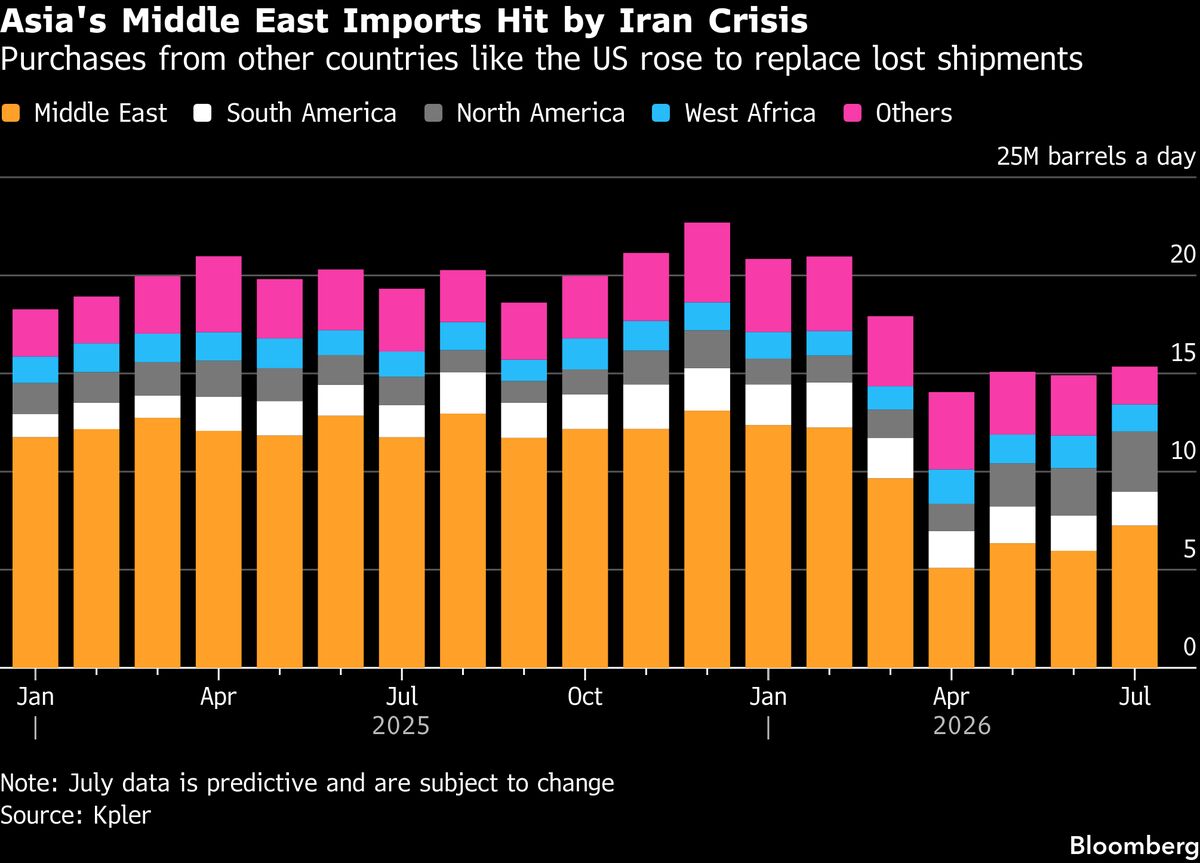
Asian nations are proactively reassessing their energy strategies in response to the ongoing conflict in the Persian Gulf. The four-month-old war has underscored the vulnerability of existing energy supply chains and prompted a strategic re-evaluation across the continent. Key lessons emerging include the critical need for significantly larger energy reserves to weather supply disruptions and price volatility. This emphasis on building bigger buffers aims to provide a more robust cushion against geopolitical shocks that can impact global energy markets.
Furthermore, the crisis has highlighted the imperative for Asian countries to diversify their sources of fossil fuels. Reliance on a limited number of suppliers, particularly those in volatile regions, is now viewed as a significant risk. Consequently, there is a growing push to secure energy contracts and develop relationships with a wider array of oil and gas producing nations. This diversification strategy is intended to reduce dependence on any single supplier and enhance overall energy security.
The ongoing events are also accelerating the push for a more balanced and resilient energy mix. While fossil fuels remain crucial for many Asian economies, there is an increased recognition of the need to integrate a greater proportion of renewable energy sources into national grids. This includes investments in solar, wind, and other clean energy technologies to reduce reliance on imported fossil fuels and mitigate the environmental impact of energy consumption. The goal is to create a more sustainable and secure energy future, less susceptible to the fluctuations of international energy markets and geopolitical tensions.
Original source — read the full reporting at the publisher:
Read on Bloomberg Markets