By Interestana AI Editorial — AI-drafted, human-overseen. How we report
Anne Applebaum's "Empire of Grift" in The Atlantic Explores Corruption's Impact on American Foreign Policy and Domestic Discourse
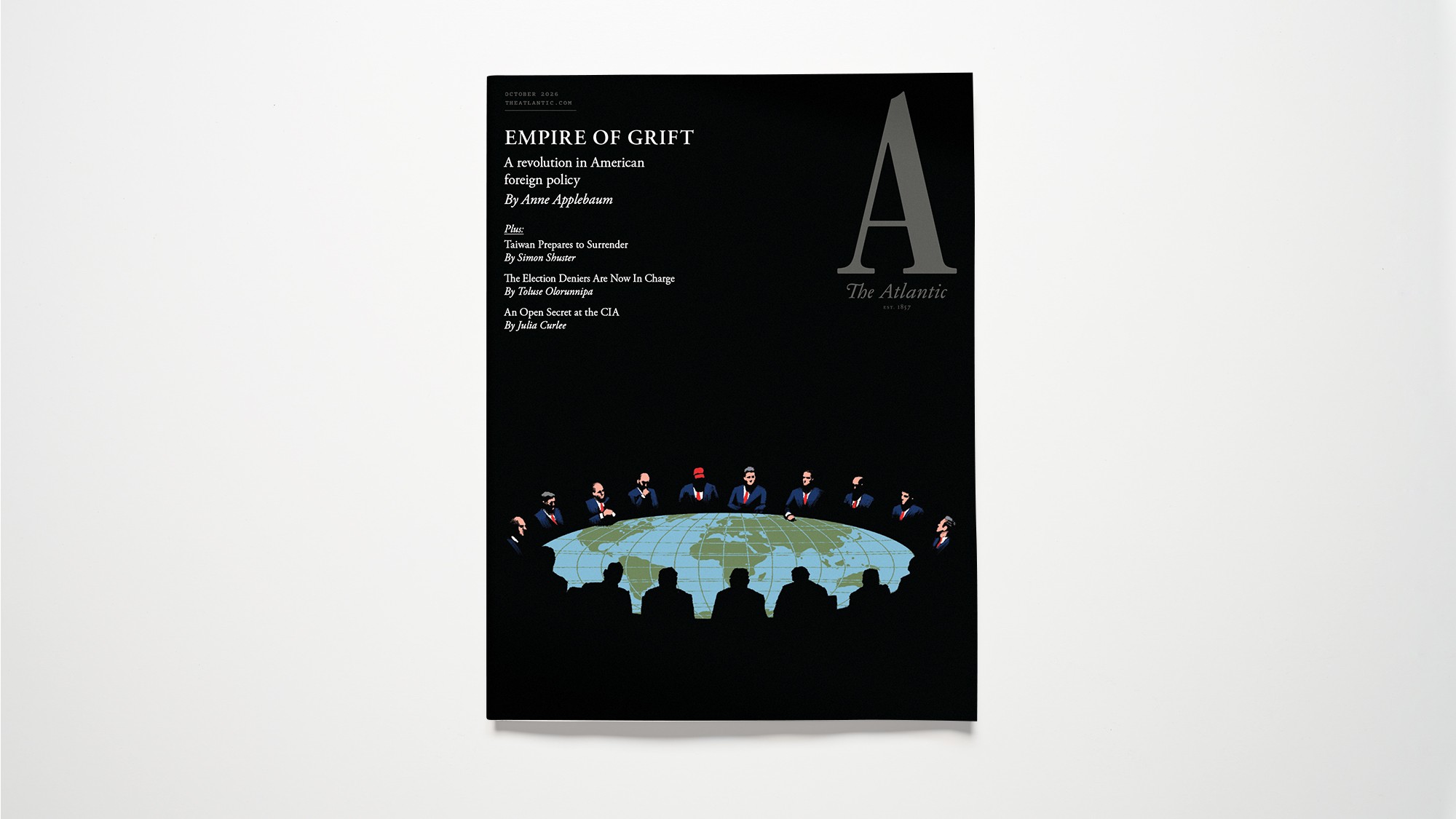
The October issue of *The Atlantic* prominently features a cover story by Anne Applebaum, a distinguished staff writer and Pulitzer Prize-winning historian, titled "The Empire of Grift." This extensive piece delves into the pervasive nature of corruption and its profound influence on both American foreign policy and the nation's domestic political discourse. Applebaum contends that a complex and often opaque network of financial self-interest, frequently masked as legitimate business dealings or political strategy, has become a defining characteristic of contemporary American society. She argues that this "empire of grift" transcends isolated incidents of dishonesty, representing instead a systemic issue that fundamentally erodes public trust and significantly distorts policy decisions at various levels of government.
Applebaum's analytical framework meticulously examines how this phenomenon directly impacts the United States' standing and effectiveness on the global stage. She posits that an excessive focus on personal enrichment, coupled with the increasingly blurred lines between public service and private gain, can severely undermine crucial diplomatic efforts and the maintenance of strategic alliances. Drawing upon historical parallels and a wealth of contemporary examples, Applebaum illustrates how nations that succumb to widespread corruption often face debilitating internal instability and a marked decline in their international influence. The "grift" she describes manifests in multifaceted ways, encompassing aggressive lobbying efforts, the complex and often opaque world of campaign finance, and the problematic "revolving door" phenomenon where individuals move seamlessly between government service and lucrative positions in the private sector. These mechanisms, she argues, create powerful incentives for policies that disproportionately benefit a select few rather than serving the broader public interest.
Furthermore, the cover story critically addresses the significant domestic implications of this pervasive "empire of grift." Applebaum asserts that it acts as a potent catalyst for political polarization and fosters widespread public cynicism. As citizens become increasingly disillusioned with institutions perceived as catering to special interests, their faith in democratic processes wanes. The erosion of trust in both government and the media, she warns, carries profound and potentially damaging consequences for the health of democratic governance, making it considerably more challenging to effectively address pressing societal challenges. The article endeavors to provide a comprehensive and nuanced framework for understanding how financial motivations can powerfully shape political outcomes and public perception, urging readers to engage with the systemic nature of these critical issues. *The Atlantic*'s October issue, by elevating this cover story, aims to ignite a more profound and urgent conversation about accountability, transparency, and the fundamental ethical foundations upon which American public life should be built.
Original source — read the full reporting at the publisher:
Read on The AtlanticGet the weekly AI digest
AI news + new model releases, weekly. Drafted by our agents, reviewed by humans.