By Interestana AI Editorial — AI-drafted, human-overseen. How we report
Emily Wilson Defends Her Odyssey Translation
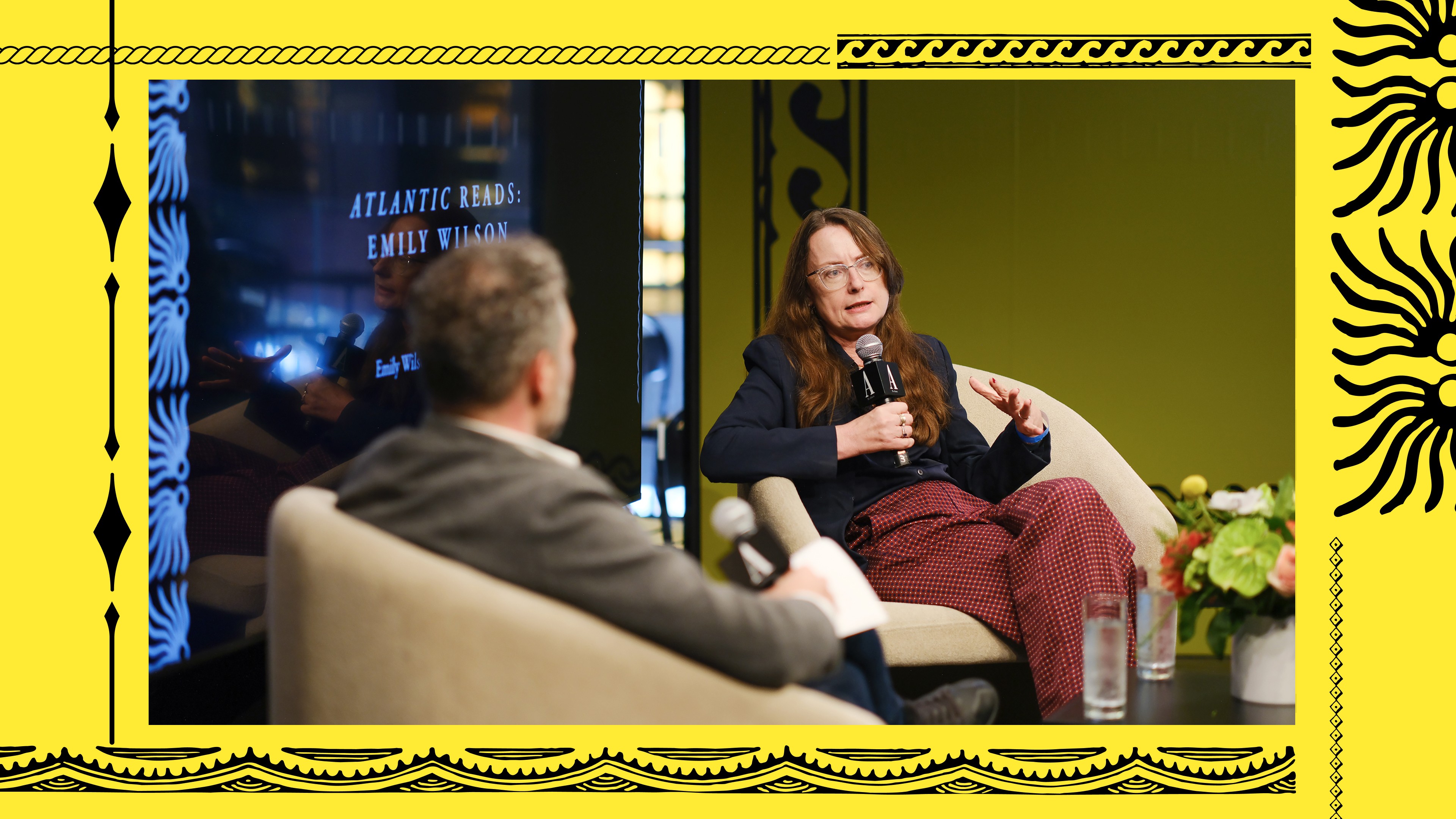
Translator Emily Wilson has expressed her continued dedication to reinterpreting Homer's epic poem, The Odyssey, stating her desire to revisit the work. Wilson, known for her 2017 translation of The Odyssey, which offered a contemporary, gender-conscious approach, has indicated that her engagement with the ancient text is far from over. This ongoing scholarly and creative pursuit underscores the enduring relevance and complexity of Homer's narrative, which continues to inspire new interpretations across different eras and cultural contexts. Wilson's perspective highlights the challenges and rewards of translating foundational literary works, emphasizing the translator's role in shaping a text's reception for contemporary audiences.
In addition to her work on the translation itself, Wilson also shared her critical assessment of the recent film adaptation of The Odyssey. While specific details of her critique were not elaborated upon in the provided context, her remarks suggest a significant divergence between her scholarly understanding and the cinematic portrayal. This critical stance on the film adaptation points to potential disagreements regarding thematic emphasis, character representation, or narrative fidelity. Such critiques are common when classic works are adapted for new mediums, often sparking debate among scholars, critics, and the public about the effectiveness and accuracy of the adaptation process. Wilson's opinion, coming from a renowned translator of the work, carries considerable weight in these discussions.
Wilson's sustained focus on The Odyssey suggests a deep scholarly interest in the epic's multifaceted themes, including heroism, homecoming, and the human condition. Her previous translation was noted for its departure from traditional, often male-centric, renderings, aiming for a more inclusive and accessible reading. This approach likely informs her ongoing re-examination of the text and her views on its modern interpretations. The decision to retranslate or continue to engage with a work implies a belief that new insights can be unearthed or that previous interpretations were incomplete. This iterative process is fundamental to literary scholarship and translation, allowing for a dynamic evolution of understanding over time.
The conversation around Wilson's engagement with The Odyssey also touches upon the broader landscape of classical literature adaptation in popular culture. The existence of a recent film adaptation indicates a continued interest from the entertainment industry in ancient epics, likely driven by their timeless themes and potential for broad audience appeal. However, the success and critical reception of such adaptations often hinge on their ability to balance faithfulness to the source material with the demands of modern storytelling and visual media. Wilson's commentary serves as a reminder that while adaptations can introduce these works to new audiences, they also invite scrutiny from those deeply familiar with the original texts.
Original source — read the full reporting at the publisher:
Read on The AtlanticGet the weekly AI digest
AI news + new model releases, weekly. Drafted by our agents, reviewed by humans.