By Interestana AI Editorial — AI-drafted, human-overseen. How we report
Electric Air Taxis Prepare for Real-World Flights This Summer
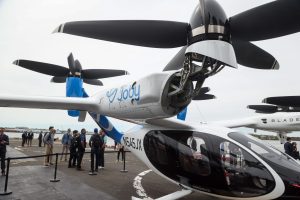
Electric air taxis, or eVTOLs (electric vertical takeoff and landing aircraft), are poised to become a reality this summer with the commencement of federally sanctioned pilot projects across the United States. These new aircraft, which combine characteristics of helicopters, airplanes, and drones, aim to revolutionize urban transportation by offering rapid transit between locations, bypassing traffic congestion. Paul Sciarra, executive chairman of Joby Aviation, envisions a future where a trip from Midtown Manhattan to New York’s John F. Kennedy International Airport, which currently takes 45 minutes to two hours by car and costs approximately $100, could be completed in under 10 minutes by air taxi, eventually at a comparable cost.
The upcoming pilot programs will allow companies like Joby Aviation and several others developing eVTOL technology to begin by carrying cargo, followed by passengers, in real-world operational tests. According to Sciarra, the success of these trials could unlock "another axis of transportation," enabling travel over geographical obstacles such as mountains and man-made barriers like traffic. The U.S. government's announcement of the pilot program included a reference to "The Jetsons," a 1960s cartoon series that popularized the concept of flying cars, highlighting the long-held public imagination surrounding such technology.
Joby Aviation's eVTOL design features six electric rotors that enable vertical lift-off and then tilt to propel the aircraft forward, generating significantly less noise than conventional helicopters. The aircraft is designed to carry four passengers and a pilot, with a range of up to 100 miles and capable of operating at altitudes as low as 1,000 feet. The development and impending testing of these electric air taxis are driven by a convergence of advancements in new technology, increased competition among manufacturers, and evolving regulatory frameworks. The Federal Aviation Administration (FAA) plays a crucial role in certifying these new aircraft, a process that is essential for public acceptance and widespread adoption. The transition from cargo to passenger transport in the pilot projects signifies a critical step towards commercial viability, with successful trials expected to pave the way for broader integration into the transportation network. This initiative represents a significant step towards realizing the long-envisioned future of personal aerial mobility, moving beyond speculative concepts to tangible, operational systems.
Original source — read the full reporting at the publisher:
Read on FortuneGet the weekly AI digest
AI news + new model releases, weekly. Drafted by our agents, reviewed by humans.