By Interestana AI Editorial — AI-drafted, human-overseen. How we report
El Salvador Jails Thousands of Deportees
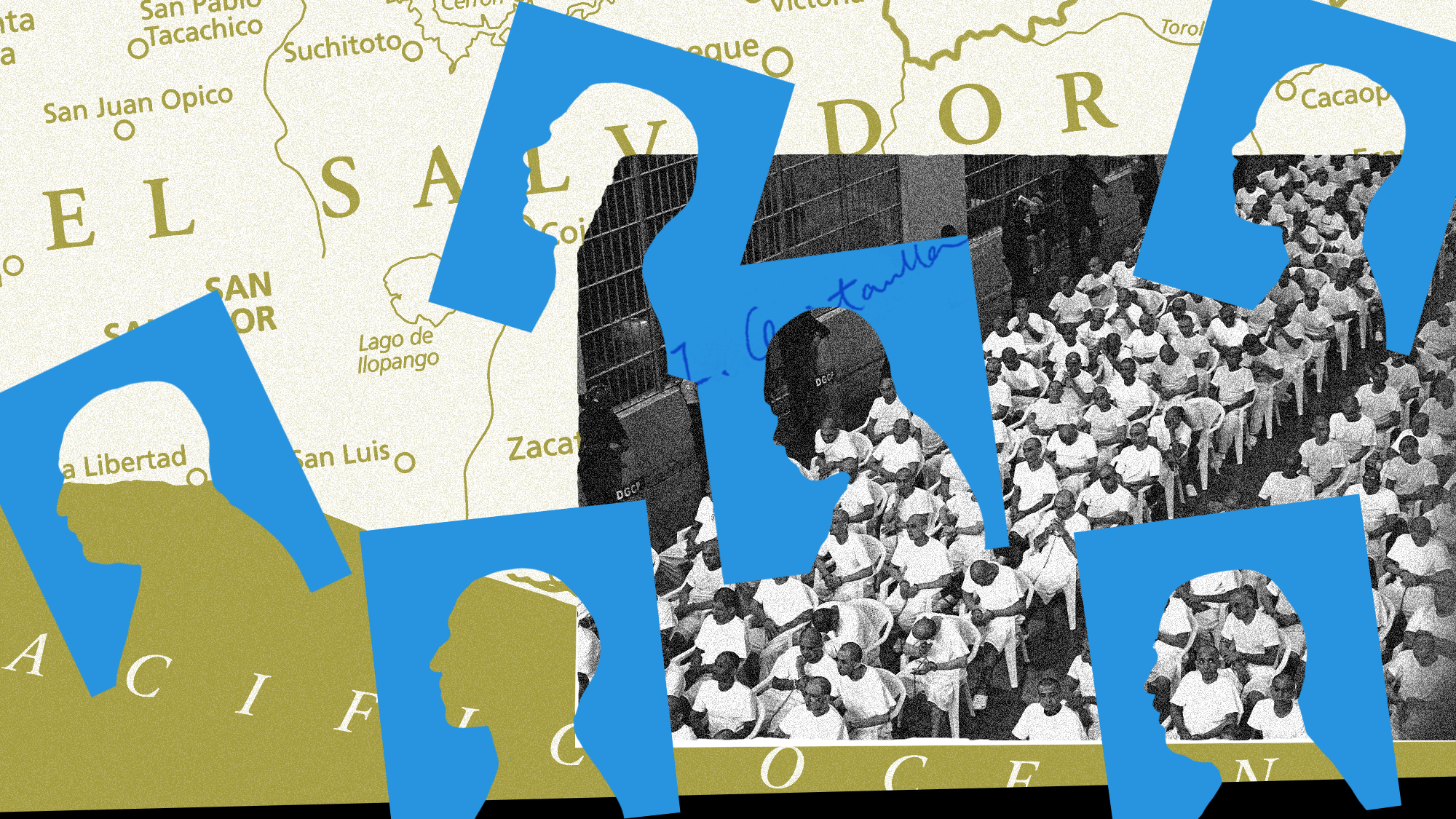
El Salvador's government, under President Nayib Bukele, has initiated a widespread "state of exception" leading to the mass incarceration of over 70,000 individuals, a figure representing approximately 1% of the nation's population. This initiative, launched in March 2022, targets alleged gang members and their affiliates, significantly expanding the country's prison population. Among those detained are numerous individuals deported from the United States, who are now held in facilities such as the recently constructed "Terrorism Confinement Center" (CECOT), designed to house 40,000 inmates. The CECOT, a sprawling facility spanning 166 acres, is equipped with high-security measures, including armed guards and advanced surveillance systems, to manage its large and potentially volatile inmate population.
The "state of exception" allows for the suspension of certain constitutional rights, including the right to assembly and the right to legal counsel, and extends pre-trial detention periods. This has raised significant concerns among human rights organizations regarding due process and potential abuses. Reports from organizations like Human Rights Watch and Amnesty International detail allegations of arbitrary arrests, lack of access to lawyers, and inhumane prison conditions. The crackdown followed a surge in gang-related homicides, with 87 killings reported on a single day in late March 2022, which the government attributed to gang violence. In response, Bukele declared a month-long state of emergency, which has since been repeatedly extended by the Legislative Assembly.
The scale of the detentions has overwhelmed El Salvador's existing prison infrastructure, prompting the rapid construction of CECOT. The government asserts that these measures are essential to eradicate gang influence and restore public safety, a stance that has garnered significant public support within El Salvador. However, the broad application of the "state of exception" has led to the imprisonment of individuals who may not have direct ties to gang activities, including some deportees from the U.S. who have no prior criminal record in El Salvador. The long-term implications of this mass incarceration policy on El Salvador's society, economy, and international relations remain a subject of ongoing scrutiny and debate, with particular attention paid to the welfare and legal rights of those detained.
Original source — read the full reporting at the publisher:
Read on The AtlanticGet the weekly AI digest
AI news + new model releases, weekly. Drafted by our agents, reviewed by humans.