El Niño Could Boost India's Coal Power Use, Study Warns
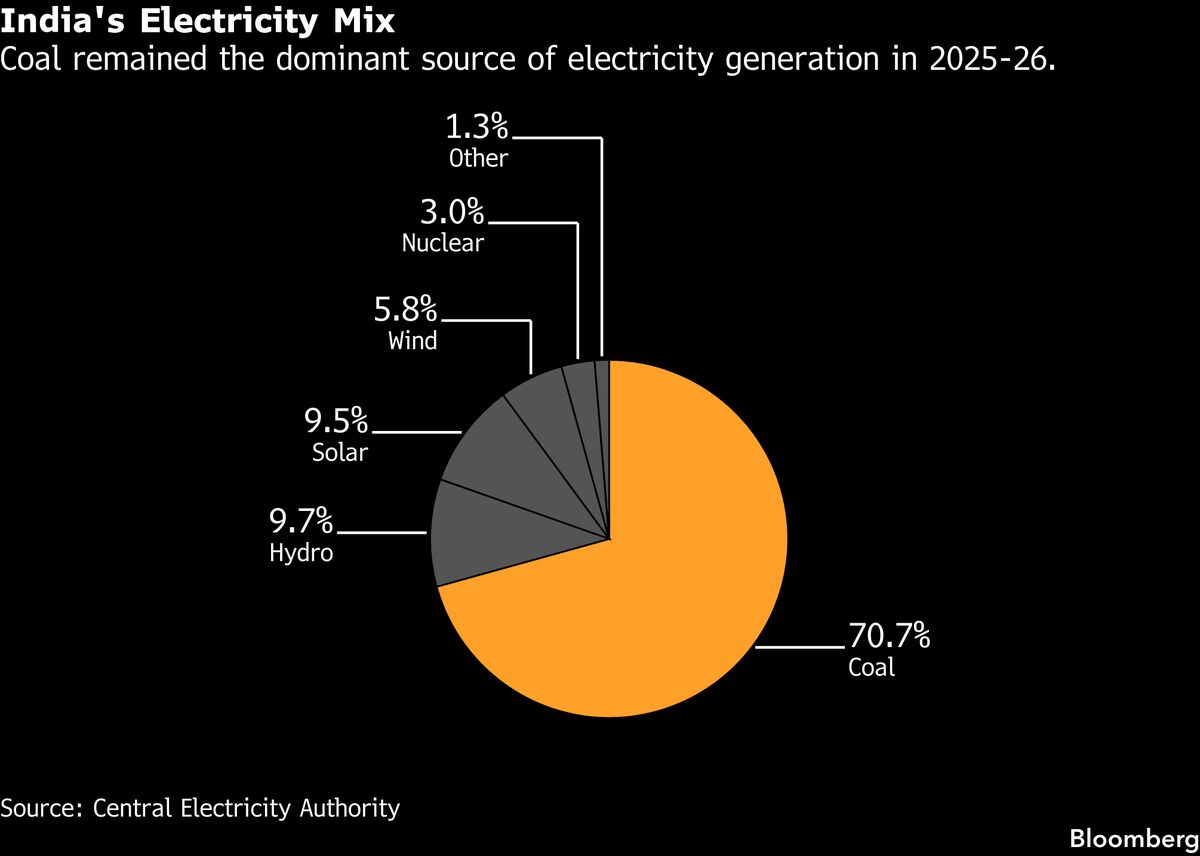
A severe El Niño event poses a significant threat to India's power grid, potentially leading to a surge in coal-fired power generation and slowing the nation's transition to cleaner energy sources, according to a study published this week. The research suggests India's electricity network is the most vulnerable globally to the impacts of such an extreme weather phenomenon. The study, conducted by researchers at the Indian Institute of Science, analyzed historical El Niño patterns and their correlation with energy demand and supply in India. It found that during past El Niño periods, increased temperatures and erratic rainfall led to higher electricity demand for cooling and irrigation, while simultaneously reducing the output from hydropower and solar sources. This combination typically forces a greater reliance on thermal power plants, predominantly fueled by coal. The findings highlight a critical challenge for India, which has ambitious renewable energy targets but also faces growing energy demands from its expanding economy and population. The study's authors emphasized that without robust adaptation strategies, the country could see a reversal of recent progress in reducing coal dependency. They recommended proactive measures such as enhancing grid flexibility, increasing energy storage capacity, and diversifying the energy mix to mitigate the potential negative impacts of El Niño on the power sector. The research underscores the complex interplay between climate change, extreme weather events, and energy policy in developing nations. The potential for increased coal use could also have implications for India's climate commitments and air quality. The study did not specify a timeline for the next potential super El Niño but indicated that the probability of such an event occurring in the coming years remains elevated, necessitating immediate attention from policymakers and energy providers.
Original source — read the full reporting at the publisher:
Read on Bloomberg Markets