By Interestana AI Editorial — AI-drafted, human-overseen. How we report
El Niño is here—and it will ‘pour fuel on the fire of a warming world’
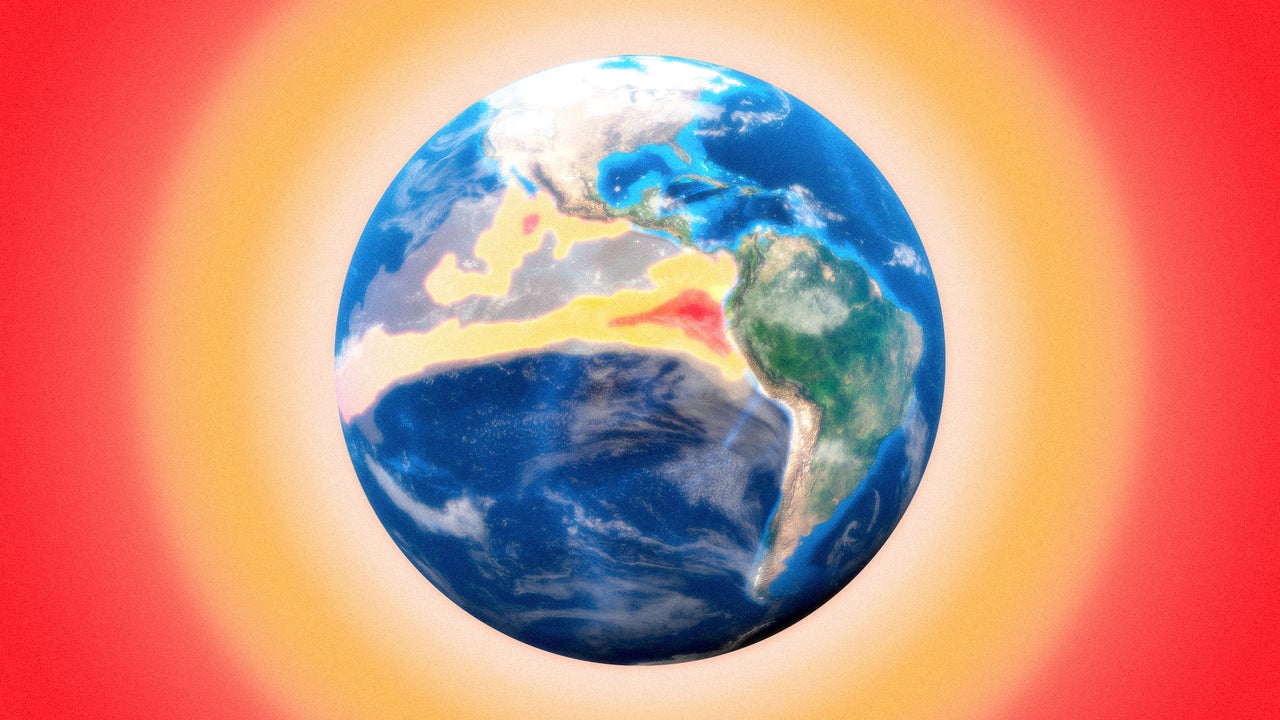
The National Oceanic and Atmospheric Administration (NOAA) has officially declared the presence of El Niño, a climate pattern that could be one of the strongest on record. This phenomenon, characterized by above-average sea surface temperatures in the equatorial Pacific Ocean, is expected to exacerbate existing global warming trends caused by fossil fuel combustion. NOAA meteorologists classify El Niños as weak, moderate, strong, or very strong, and there is a 63% probability of a very strong El Niño occurring between November and January. This intensity could place it among the most significant El Niño events recorded since 1950. El Niño develops when trade winds weaken, allowing a large pool of warm water to shift eastward across the Pacific. This shift alters atmospheric jet streams, typically leading to wetter conditions in the southern United States and drier conditions further north. However, experts caution that El Niño's impacts can be highly variable across different regions, and even a very strong event only "significantly tilts the odds" toward specific weather extremes. These amplified weather events can include increased risks of droughts, floods, and more severe forest fires, potentially disrupting agricultural yields and fisheries globally.
Original source — read the full reporting at the publisher:
Read on Fast CompanyGet the weekly AI digest
AI news + new model releases, weekly. Drafted by our agents, reviewed by humans.