By Interestana AI Editorial — AI-drafted, human-overseen. How we report
El Niño Fuels Indonesian Wildfires
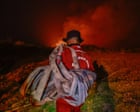
Indonesian authorities are intensifying operations to combat escalating wildfires across Sumatra and Kalimantan, regions particularly vulnerable to the effects of the El Niño weather pattern. These fires, significantly fueled by the dry conditions associated with El Niño, are not only destroying vast tracts of precious Indonesian forests but are also generating substantial haze that has begun to spread across neighboring countries, including Malaysia, Singapore, and the Philippines. The environmental impact is severe, threatening biodiversity and contributing to air pollution across a densely populated region.
The current wildfire season is a stark reminder of the recurring challenges Indonesia faces in managing land and forest fires, often linked to agricultural practices such as slash-and-burn clearing for palm oil and pulpwood plantations. El Niño, characterized by warmer-than-average sea surface temperatures in the tropical Pacific Ocean, typically leads to reduced rainfall and increased drought conditions in Southeast Asia, creating a tinderbox environment where fires can ignite and spread rapidly. This year's El Niño event has been particularly potent, exacerbating the natural dry season and making fire suppression efforts more difficult and resource-intensive.
The haze generated by these fires poses significant health risks to millions of people in Indonesia and its neighbors. Respiratory illnesses, eye irritation, and other health problems are common during periods of intense haze. The economic consequences are also considerable, impacting tourism, transportation, and agricultural productivity. International bodies and neighboring countries have previously called for stronger preventative measures and enforcement of environmental regulations to curb the annual fires, highlighting the transboundary nature of the problem. The Indonesian government has deployed thousands of personnel, including military and police units, to assist in firefighting efforts, utilizing both ground teams and aerial water-bombing operations. However, the scale of the fires and the challenging terrain in many affected areas make containment a formidable task.
Conservationists and environmental groups are expressing deep concern over the long-term ecological damage. The destruction of these forests not only leads to habitat loss for numerous species, some of which are endemic to the region, but also releases significant amounts of carbon dioxide into the atmosphere, contributing to climate change. The peatland ecosystems, common in Sumatra and Kalimantan, are particularly problematic as they can smolder underground for extended periods, releasing vast quantities of greenhouse gases. Efforts to restore these areas are often hampered by the recurrence of fires. The situation underscores the urgent need for sustainable land management practices, stricter law enforcement against illegal burning, and continued international cooperation to address the root causes of these devastating wildfires.
Original source — read the full reporting at the publisher:
Read on The Guardian EnvironmentGet the weekly AI digest
AI news + new model releases, weekly. Drafted by our agents, reviewed by humans.