By Interestana AI Editorial — AI-drafted, human-overseen. How we report
Egypt's Intelligence Chief Delivered Gaza Attack Warning to Israel Pre-October 7
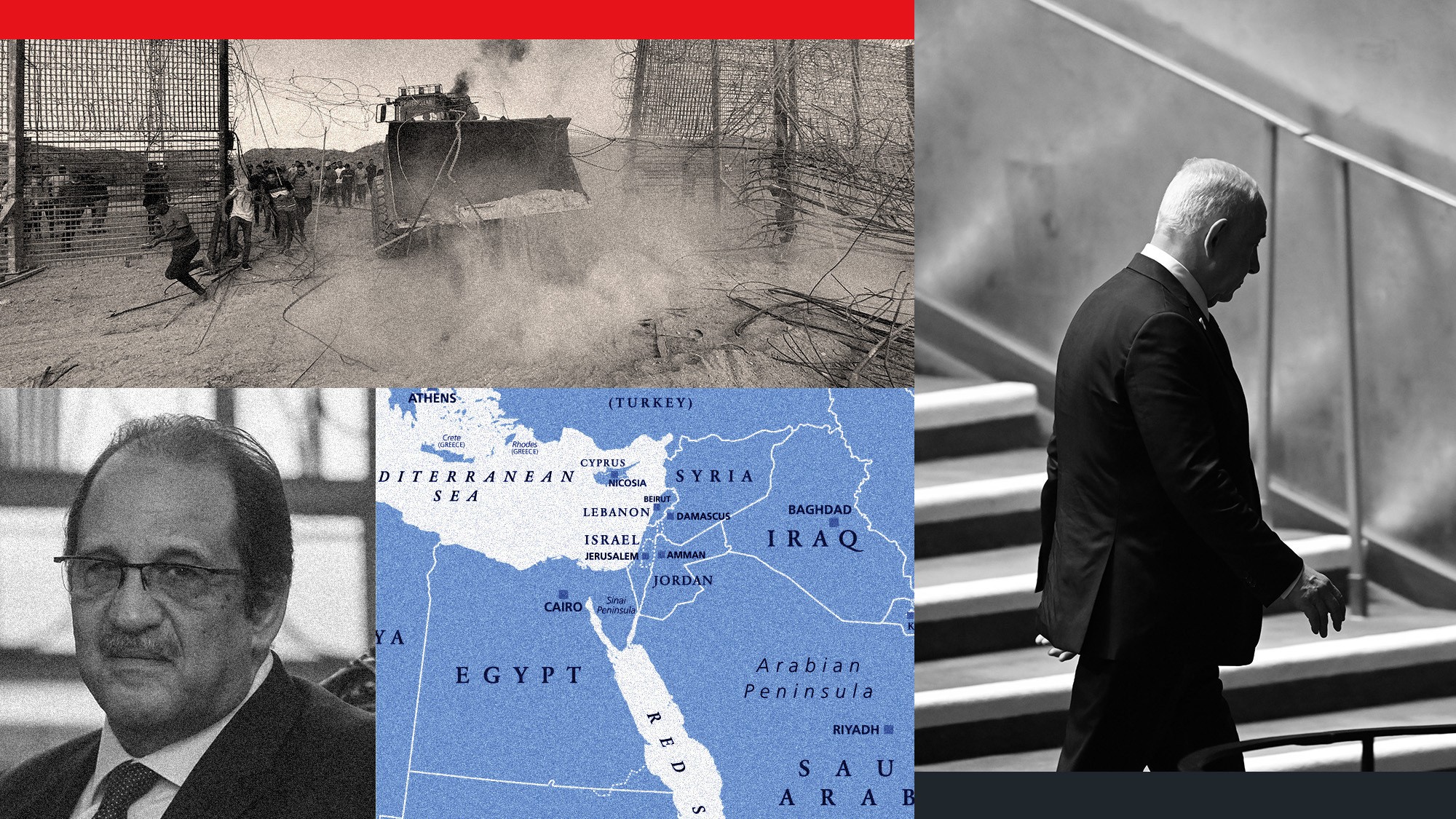
Approximately one week prior to the devastating Hamas-led attacks on October 7th, Egypt's intelligence chief, Major General Abbas Kamel, conveyed a critical warning to Israeli officials in Tel Aviv. Kamel, who heads Egypt's General Intelligence Directorate (GID), a key intelligence agency within the Egyptian government, alerted Israel to an impending, large-scale operation planned by Hamas originating from the Gaza Strip. While the precise details of the warning, including the exact timing or the full scope of Hamas's intentions, were not fully disclosed in initial reports, the message clearly indicated a significant and imminent escalation. This forewarning from Cairo, a nation with deep historical ties and intelligence-sharing relationships with both Israel and Palestinian factions, underscores the complex intelligence environment preceding the conflict.
The October 7th attacks, which saw approximately 1,200 people killed and around 240 taken hostage by Hamas, resulted in a swift and overwhelming Israeli military response in Gaza. The revelation of Egypt's prior intelligence briefing has ignited scrutiny regarding the effectiveness of Israel's intelligence gathering and analysis capabilities, particularly within its security apparatus, which includes bodies like the Mossad (intelligence agency) and the Shin Bet (internal security service). The fact that such a high-level warning, delivered by a trusted regional partner, was not fully heeded raises significant questions about how intelligence was processed and acted upon by Israeli leadership.
Following the outbreak of hostilities, Egypt has strategically positioned itself as a crucial mediator in efforts to de-escalate the conflict, facilitate humanitarian aid into Gaza, and secure the release of hostages. The Egyptian government, under President Abdel Fattah el-Sisi, has consistently advocated for a ceasefire and the protection of civilian lives, emphasizing the dire humanitarian situation in the besieged Palestinian territory. Cairo's intelligence services have remained actively engaged, monitoring developments and communicating with Israeli and Palestinian representatives, as well as international stakeholders, in a bid to prevent further bloodshed and foster a path towards a peaceful resolution. The intelligence chief's visit and the subsequent warning serve as a stark reminder of the intricate geopolitical dynamics and information flows that characterized the period leading up to one of the most significant escalations in the Israeli-Palestinian conflict in decades, highlighting both the potential for proactive diplomacy and the tragic consequences of intelligence failures.
Original source — read the full reporting at the publisher:
Read on The AtlanticGet the weekly AI digest
AI news + new model releases, weekly. Drafted by our agents, reviewed by humans.