By Interestana AI Editorial — AI-drafted, human-overseen. How we report
Munch's Freia Frieze Explores Cocoa, Labor, and Emancipation
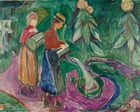
An exhibition at Oslo's Munch Museum connects Edvard Munch's 1922 "Freia frieze" to the history of cocoa, the labor movement, and women's emancipation. The 12 canvases, originally commissioned for the women's canteen at the Freia chocolate factory, depict scenes of fruit pickers, water flowing, farewells, and couples on a beach, rendered in Munch's characteristic blues and greens.
While the artwork initially appears dynamic, the exhibition delves into the deeper context of its creation. The "Freia frieze" was intended as public art for the factory's female workers, reflecting themes relevant to their lives and labor. The exhibition aims to illuminate the social and historical forces that influenced Munch and the factory's environment during the early 20th century.
Freia, a prominent Norwegian chocolate company founded in 1898, played a significant role in the country's industrial history. The exhibition explores the factory's connection to the burgeoning labor movement and the evolving roles of women in society. By examining the "Freia frieze" through these lenses, the exhibition offers a nuanced understanding of Munch's public art and its relationship to social progress.
The exhibition highlights how art can serve not only as aesthetic expression but also as a commentary on societal issues. The "Freia frieze" becomes a focal point for discussing the complexities of industrial production, the rights of workers, and the fight for gender equality, all within the context of a beloved chocolate brand.
Original source — read the full reporting at the publisher:
Read on The Guardian CultureGet the weekly AI digest
AI news + new model releases, weekly. Drafted by our agents, reviewed by humans.