By Interestana AI Editorial — AI-drafted, human-overseen. How we report
Education Sector To Reach $10 Trillion By 2030
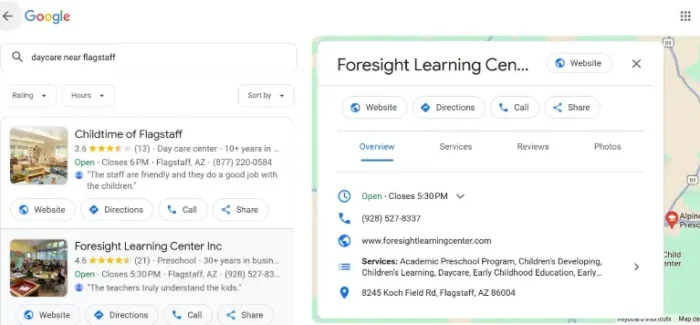
The global education sector is poised for significant expansion, with projections indicating it will reach a valuation of $10 trillion by the year 2030. This substantial growth is attributed to several key factors, including the increasing demand for educational services in developing markets and the rapid advancement of education technology, often referred to as edtech. The escalating value of the sector underscores a highly competitive landscape, making effective digital marketing strategies indispensable for educational institutions and businesses seeking to differentiate themselves and attract their target audiences. Digital marketing in the higher education context involves a nuanced approach to engage four primary demographic groups: prospective students, their parents, academic counselors, and business-to-business (B2B) technology buyers. Each of these audiences requires tailored messaging that addresses their specific concerns and motivations. The unique characteristics of education marketing, such as the critical importance of trust-building, the extended decision-making cycles involved in educational choices, and the inherent diversity of the target audiences, necessitate a specialized approach distinct from other industries. Proven digital marketing tactics, including local search engine optimization (SEO) to enhance visibility in specific geographic areas, strategic pay-per-click (PPC) advertising campaigns to drive targeted traffic, and active social media engagement to foster community and brand loyalty, are identified as crucial for boosting enrollment numbers and increasing overall engagement with educational offerings. The successful implementation of these strategies is further amplified by the utilization of appropriate digital marketing tools, the derivation of actionable insights from data analytics, and the support of experienced marketing agencies, all of which contribute to achieving sustainable growth and a measurable return on investment (ROI). The evolving methods by which students and parents research educational institutions also highlight the necessity for a strong online presence. With a growing online user base and intensified competition from various sources, educational institutions must effectively capture attention and communicate their value proposition. Digital marketing provides the essential framework for achieving these objectives. This comprehensive guide delves into the most effective strategies, potential challenges, common pitfalls encountered in education marketing, and methodologies for overcoming them to achieve professional-level success. Digital marketing for education broadly encompasses the array of strategies and technological tools employed by schools, universities, edtech companies, training centers, and other entities within the education niche to promote their products and services online. This multifaceted approach integrates various components, such as search engine optimization (SEO) to improve online visibility by ensuring an institution's website ranks highly for relevant search queries, and pay-per-click (PPC) campaigns that allow for precise targeting of specific audiences on search engines like Google and Bing, as well as on social media platforms and other connected digital environments.
Original source — read the full reporting at the publisher:
Read on Neil PatelGet the weekly AI digest
AI news + new model releases, weekly. Drafted by our agents, reviewed by humans.