By Interestana AI Editorial — AI-drafted, human-overseen. How we report
Ed Sheeran's Support Acts Quit Tour Over Macklemore's Palestine Stance
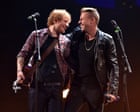
Several musicians supporting Ed Sheeran's US stadium tour have withdrawn from the remaining dates in protest against the removal of fellow support act Macklemore, who was dropped for his vocal support of Palestine. This action by Finneas, the Danish band Lukas Graham, Irish songwriter Aaron Rowe, and Sheeran's Irish backing band Beoga, demonstrates a collective stance against what they perceive as censorship and in solidarity with the Palestinian people. Ed Sheeran, in a statement regarding Macklemore's departure, articulated his own publicly apolitical approach, suggesting that "different approaches to being an advocate for change" exist beyond "shouting the loudest." The musicians who have quit are asserting that their withdrawal is their chosen method of advocating for change, directly challenging Sheeran's assertion of neutrality by making a public stand. This situation brings to the forefront a broader discussion about the role of artists in political discourse and the perceived responsibilities that come with a large public platform. The decision by these artists to leave the tour underscores a commitment to expressing solidarity with Macklemore and the Palestinian cause, framing their departure as a necessary act in the face of perceived suppression of free speech. The controversy centers on Macklemore's public statements and actions related to the ongoing conflict, which led to his exclusion from the remainder of the tour. The support acts' decision to join him in exiting the tour amplifies the message and places additional pressure on the tour's organizers and Ed Sheeran himself to address the underlying issues. This event highlights a growing trend where artists are increasingly expected to take public stances on socio-political matters, and their decisions to do so, or not to do so, are subject to intense scrutiny. The withdrawal of these acts signifies a rejection of a purely apolitical stance, suggesting that in certain contexts, neutrality itself can be interpreted as a form of complicity or inaction. The artists' move is framed as a demonstration of the "self-sacrifice necessary to stand against those crushing free speech," according to commentary surrounding the event. This interpretation positions their actions not merely as a protest but as a principled stand for freedom of expression within the music industry and beyond. The ripple effect of this decision may influence how other artists navigate similar situations in the future, potentially leading to more public engagements with contentious political issues.
Original source — read the full reporting at the publisher:
Read on The Guardian CultureGet the weekly AI digest
AI news + new model releases, weekly. Drafted by our agents, reviewed by humans.